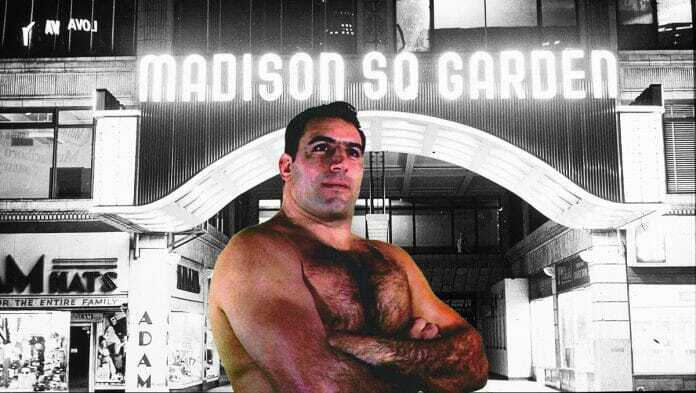
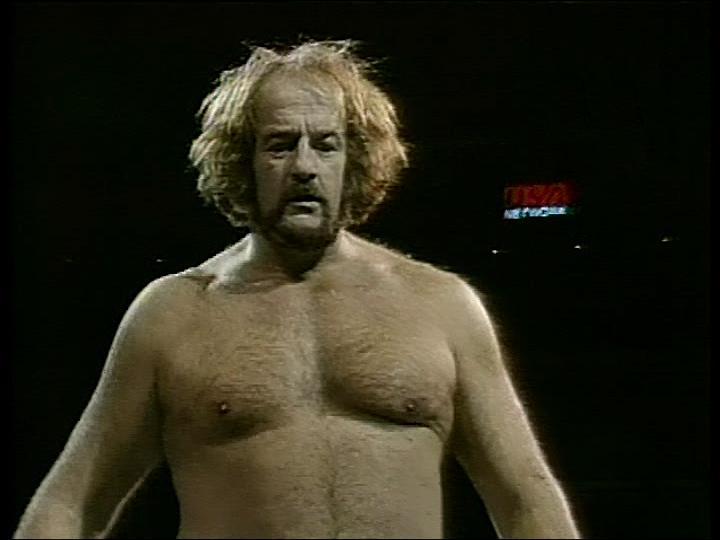
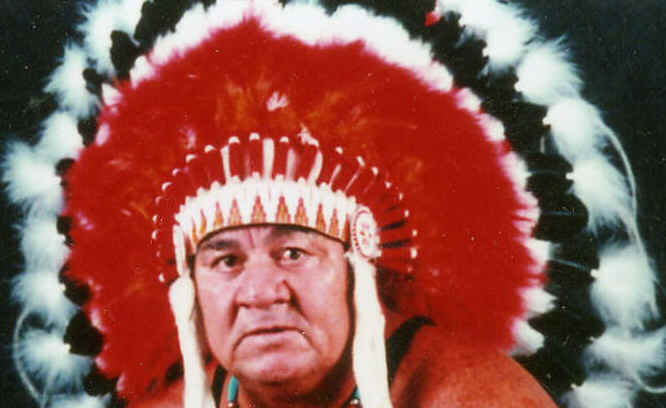
Dominic DeNucci, a former tag team champion in the WWF who later became a prominent pro wrestling trainer, has passed away at the age of 89.
Cauliflower Alley Club confirmed the news that DeNucci had passed away.
“We’ve received the sad news that wrestling Legend Dominic DeNucci has passed away at the age of 89.” they wrote on Twitter. “Known not only for his wrestling, but for training Mick Foley, Shane Douglas and others. We send our sincerest condolences to his family,friends and many fans the world over. R.I.P.”
DeNucci made his pro wrestling debut in 1958 in Montreal, Canada. He had runs both in Australia and Japan. He joined the World Wide Wrestling Federation (later WWF, then WWE) in 1967 and won the WWWF International Tag Team titles with Bruno Sammartino in 1971. He would later hold the WWWF World Tag Team titles with Victor Rivera, and later Pat Barrett.
He left the WWF in 1982 and continued wrestling in Canada, New York, and the independents through 2012, when he wrestled his final match against protege Shane Douglas. That same year, he was inducted into the Pro Wrestling Hall of Fame.
DeNucci later was a trainer of a few wrestlers who later became names in the industry, including Douglas, Mick Foley, Brian Hildebrand, and Moondog Spot.
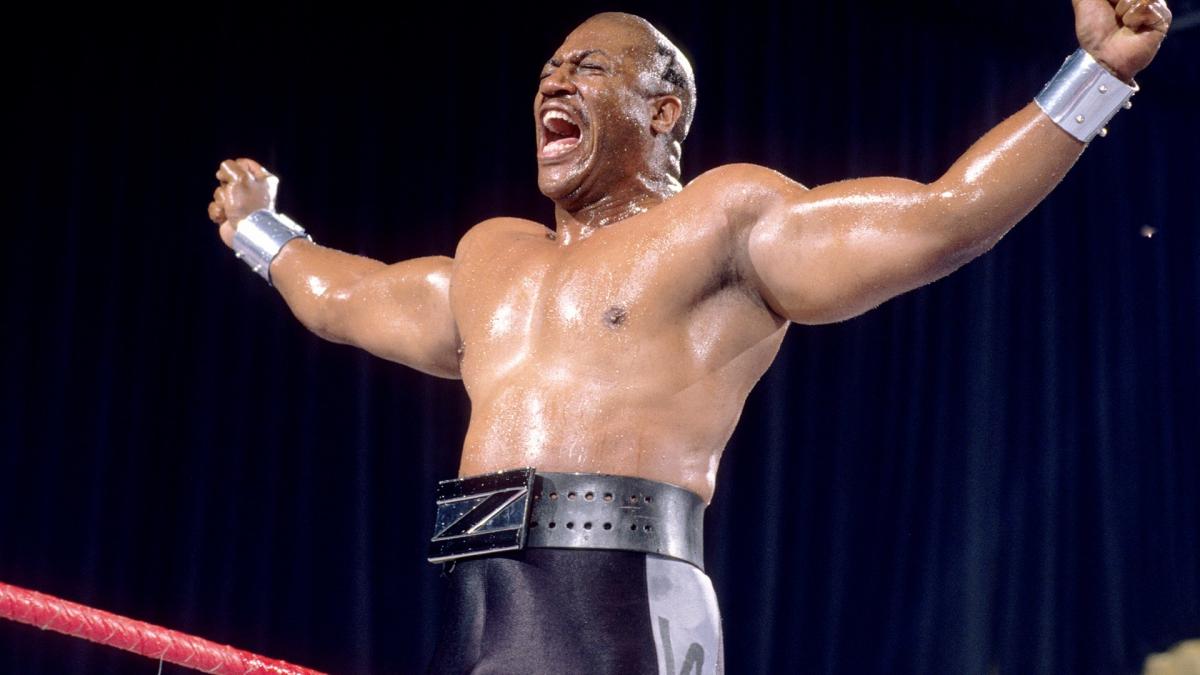
TMZ reported Thursday that Tommy “Tiny” Lister, aka Zeus in WWF, was found dead in his Marina del Rey, CA, apartment at just 62 years old.
While the details are still sketchy as of this writing, friends of Lister asked the L.A. County Sheriff’s Department to do a wellness check as they hadn’t heard from him since Wednesday night. They reported the police believe it was due to natural causes, but won’t know until an autopsy is done.
In a quote to Variety, Lister’s manager said he had been displaying symptoms of COVID-19 in recent days and had to cancel shooting on a film after getting sick.
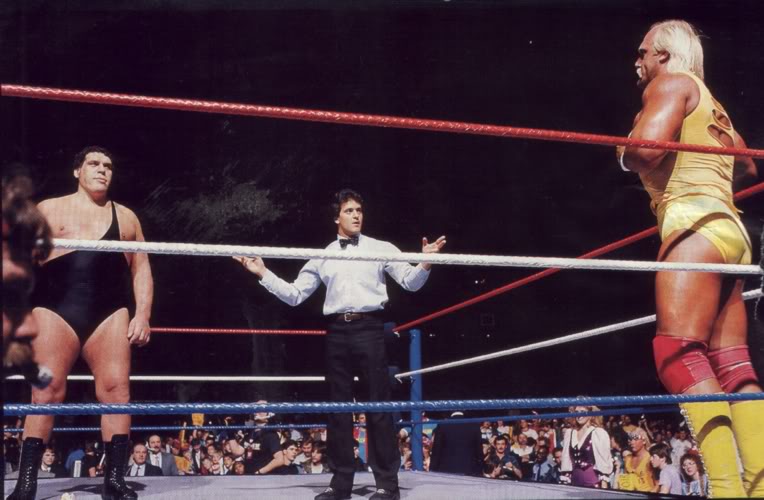
Lister appeared with Hulk Hogan in the 1989 film No Holds Barred as Zeus, a monster heel that Hogan (Rip Thomas) eventually beat. That was parlayed into an angle on WWF TV that resulted in Zeus teaming with Randy Savage against Hogan and Brutus Beefcake at the 1989 SummerSlam pay-per-view.
The Hogan/Zeus rivalry continued through Survivor Series where he was part of The Million Dollar Team and finally in a tag team steel cage match at a one-off December pay-per-view that included the movie and the match.
He left wrestling until he was booked for a 1990 event against Abdullah The Butcher in Puerto Rico. He then returned In 1996 for WCW as Z-Gangsta, wrestling just once in a “Doomsday Cage” match at Uncensored as part of The Alliance To End Hulkamania.
Lister, blind in one eye, was best known for his role in the movie Friday with appearances in The Dark Knight, Next Friday, The Fifth Element, Jackie Brown, Austin Powers: Goldmember, and more on his resume. He stayed busy with small roles and has parts in 11 projects that are in various stages of production.
This week on the DragonKingKarl Classic Wrestling Audio Show, I go into the Wrestling Observer Newsletter archives for some obituaries written by Dave Meltzer.
On the docket, the passing of Mid-South and AWA star D.J. Peterson, the in-ring death of rising lucha libre star Oro, southern journeyman Ray Candy, and Joey Marella, WWF referee and son of Gorilla Monsoon, including what “Downtown” Bruno Lauer had to say about it in his book as he was in the car that Marella was killed in.
In the case of Oro, we might have lost a huge future star.
These four might weren’t the biggest names in wrestling history, but their stories are interesting.
Left My Wallet returns with our second watchalong as WOR fill-in co-host Garrett Gonzales and I check out a WWF softball game from WrestleMania 12 weekend in 1996, filmed with home camcorder footage.
It’s the Hollywood All-Stars taking on team WWF and you won’t believe the results.
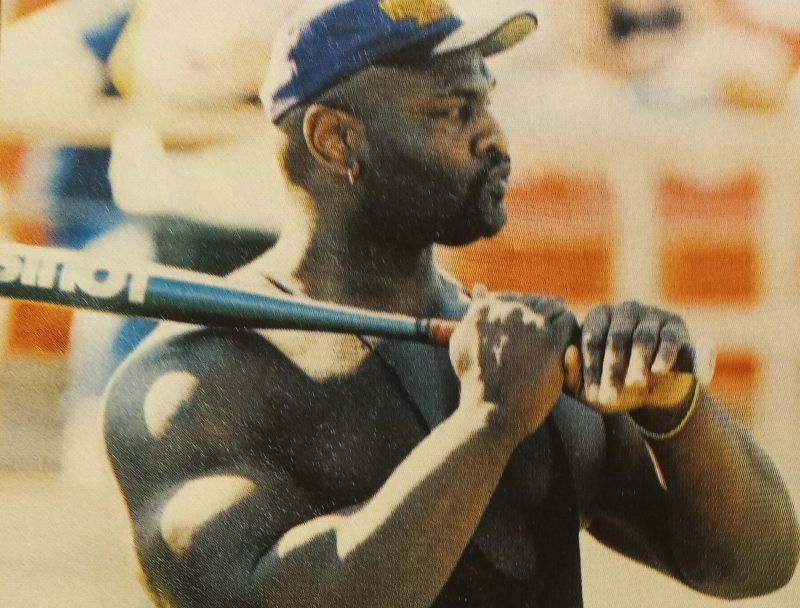
See Isaac Yankem hitting from the no. 2 hole, Jerry Lawler and his pitching prowess, Ahmed Johnson and Doc Hendrix swinging for the fences, Bob Holly flashing some leather in the outfield, and Shawn Michaels doing…steady state cardio? If you enjoyed our first watchalong of the NWA basketball game, you are sure to love this one as well.
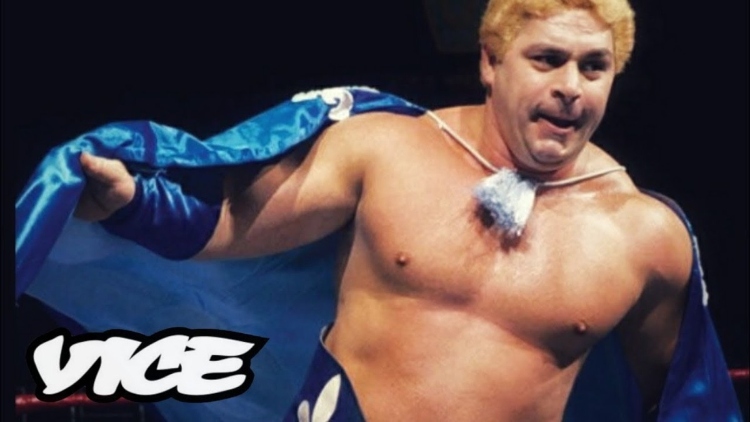
While the subject of the latest Dark Side of the Ring episode from Vice didn’t focus on the sexiest of topics, “The Assassination of Dino Bravo” made for an intriguing watch for a man that turned out to be a casualty of both the end of the territory era and, apparently, the mafia.
Modern fans that don’t have a taste for the classics may not be familiar with Bravo (Adolfo Bresciano), best known to fans like myself for his seven year WWF run from 1985 through 1992.
The doc does a good job at setting up just how big Bravo was in his home province and country of Quebec, Canada, and International Wrestling, specifically. As their top star, longtime champion, and part owner, he was the type of regional star that the territory era was built around.
Eventually, though, the WWF steamroller killed the territories and the once hot organization was no different, losing The Rougeau Brothers, Rick Martel, and then in 1985, the reluctant Bravo to a big money contract.
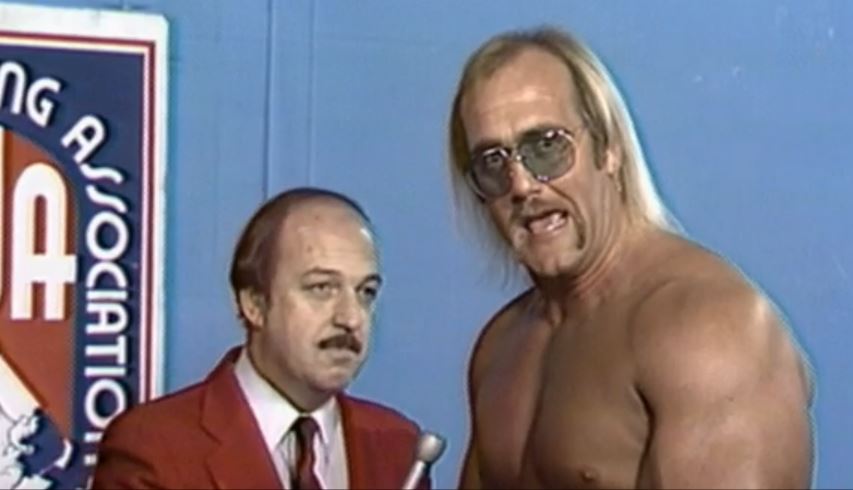
Stop me if you’ve heard this before, but despite being hugely over in Montreal, Bravo never fully got a big run in WWF. He was paired up with Jimmy Hart, dyed his hair blonde, and did eventually get singles matches with Hulk Hogan and tag matches against Hogan alongside Earthquake. But by 1992, WWF didn’t renew his contract and he dropped out of the business altogether.
And that’s where our story takes the turn. With family ties to the mob and wanting to sustain an expensive lifestyle, Bravo became part of the world of organized crime and specifically an enforcer with a focus on the contraband cigarette trade.
Throughout the episode, those interviewed do a great job at painting the picture of who Bravo was and who he became. His wife, Diane, and daughter, Claudia, were standouts, conveying the raw emotion of having their husband/father brutally murdered in their home and being the ones to initially come home to it. Claudia, especially, still struggles with his death, saying one of her two children looks exactly like his late grandfather.
Friend of the site Pat Laprade, Tony Mule and Gino Brito of International Wrestling, the always on Jacques Rougeau, Rick Martel from a previous interview, and two Canadian mafia journalists round out the group responsible for also filling in the blanks, a welcome respite from the bickering of Jim Cornette and Vince Russo on other episodes.
To this day, it is still unknown who put 11 bullets in the 44-year-old Bravo’s head and chest on that cold March 1993 night as he sat watching a hockey game. Everyone has theories and potential reasons that are given in the episode, but the death of Dino Bravo remains an unsolved pro wrestling related mystery and the perfect fodder for this series.
Notes & Thoughts
I was curious why Bravo was just done with the business after his WWF run was over instead of looking for opportunities in WCW or elsewhere. He had been in the game for 20 years, but wrestlers usually just don’t seem to just leave the business. I read that he did an overseas tour, but perhaps the demand wasn’t there anymore.
I would most compare this episode to last season’s Gino Hernandez episode with the unsolved mystery element while I liked the Hernandez episode more.
A Rougeau story of Bravo staying true to his Montreal Canadiens fandom is an entertaining one. One thing is for sure: Rougeau definitely is comfortable in front of the cameras.
It’s not mentioned in the documentary, but Bravo was actually a WWWF tag team champion for three months with Dominic DeNucci in 1978, an NWA tag team champion, and also the WWF Canadian champion, a short-lived title that no one remembers that was created in 1985 and shuttered in 1986.
This Tuesday’s episode will be an interesting one to gauge interest as they focus on “Dr. D” David Schultz, he of the slapping John Stossel fame and a few interesting stories through the years.
From December 27, 1983, it was evident that pro wrestling was going to be changing greatly, and fast.
Hulk Hogan was the biggest star of the AWA, in the middle of a main event program with David Shults. Gene Okerlund was the company’s cult favorite TV announcer given the name “Mean Gene” by Jesse Ventura. Roddy Piper was the No. 2 singles babyface for Jim Crockett Promotions (behind traveling world champion Ric Flair). They were all in St. Louis, at the famed Chase Hotel, for a TV taping for KPLR-TV for “Wrestling at the Chase,” the longtime flagship show of the NWA. A few days earlier, nobody would have batted an eye about it. But it was not an NWA taping. The promoter of the event was Vince McMahon Jr., who had recently purchased the World Wrestling Federation from his father.
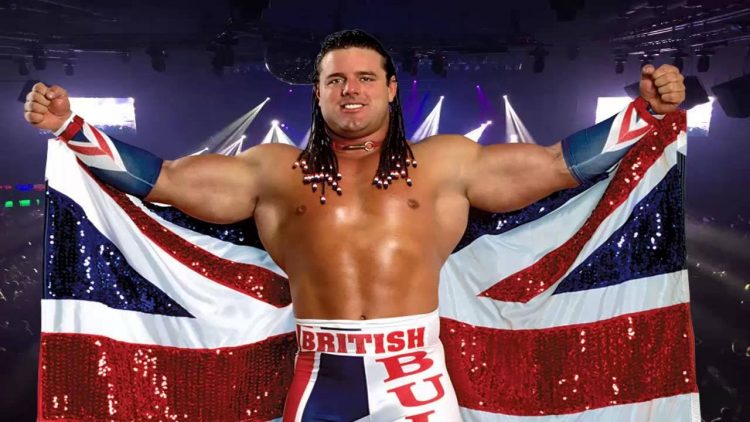
On the Tuesday edition of Wrestling Observer Radio (subscription needed), Dave Meltzer reported that Davey Boy Smith will be inducted into this year’s WWE Hall of Fame class.
Meltzer said the Hart family has been pushing for his inclusion for years. Smith died in 2002 at just 39 years old due to a heart attack suffered while on vacation in British Columbia.
While not formally announced by WWE yet, he will join Dave Batista, the NWO, Jushin Thunder Liger, and the Bella Twins in this year’s class which will officially be inducted during WrestleMania weekend in Tampa, FL.
Smith was best known for his three runs in WWE with short stints in WCW in between.
Born David Smith, the England native began his pro wrestling career in 1978, eventually making his way to Canada and Stu Hart along with longtime tag team partner Tom Billington (aka the Dynamite Kid). The two were signed by the then-WWF in 1984 and spent four years there in the tag team division as the British Bulldogs, winning the WWF tag titles before leaving after backstage incidents over ribbing.
After working back in Hart’s Stampede Wrestling and Japan, Smith went back to WWF as a singles wrestler for nearly three years, culminating in him defeating Bret Hart for the Intercontinental title at England’s Wembley Stadium at SummerSlam 1992. WWF released he and the Ultimate Warrior after they were caught getting HGH shipments from an England pharmacy.
He eventually returned to WWF for a three year run which included being part of the legendary Steve Austin-Bret Hart rivalry. He left with Hart and Jim Neidhart for WCW following the Montreal Screwjob at the 1997 Survivor Series.
Smith hurt his back in a 1998 match after taking a bad bump on a trapdoor that was part of the mat, leading to him being out of action and eventually released. He would re-sign with WWF before leaving the company in 2002.
Smith was a two-time WWF tag team champion with Billington and Owen Hart, an Intercontinental champion, a European champion twice, and a Hardcore champion twice. He also held a variety of Stampede Wrestling championships.
On my second podcast of the week, I review the April 18, 1992, edition of WWF Superstars featuring the Legion of Doom, Repo Man, Rick “The Model” Martel, Bret Hart, “Texas Tornado” Kerry Von Erich, a wacky segment with the Ultimate Warrior, and Money, Inc. in action against an utterly disgusting individual and his partner.
It’s 1992 technicolor goodness from the WWF and the DragonKingKarl Classic Wrestling Audio Show. As always, listener discretion is advised!
The Cauliflower Alley Club announced Wednesday that longtime WWF wrestler and road agent Rene Goulet died this past May at 86 years old. His family kept the news quiet until today, even from WWE.
A native of Quebec City, Quebec, the man born Robert Bedard began his professional wrestling career in 1957 and eventually found his way to the then-WWWF where he would stay from the 1970s through the 1980s. He also spent time in various NWA territories and the AWA.
In 1971, Goulet and partner Karl Gotch won the WWWF tag team titles by defeating Luke Graham and Tarzan Tyler, holding the gold for just 57 days. He stayed active until 1986 and worked as a road agent until 1997, one of the men seen regularly when officials came out to break up brawls.
Goulet was the first ever wrestler to defeat Ric Flair and and competed against Tito Santana in the very first WWF match aired on USA. He and Andre The Giant also won what is now known as the New Japan World Tag League in 1981.
He was inducted into the Tragos/Thesz Pro Wrestling Hall of Fame in 2010.
Howard Stern used to say lesbians equal ratings. Eric Bischoff has said numerous times than controversy equals ratings. Or, as he actually said as part of Raw that he was an actor on in the role of providing such entertainment, that controversy equals cash.
And that was true in 1998.
For some reason, early last week, as the WWE got actually some positive mainstream press as being a progressive organization in its treatment of the subject of homosexuality. The company was given credit and Stephanie McMahon as head writer was all too happy to take credit for claiming a television breakthrough in doing a same sex marriage. Many stories claimed, unlike in the past, these gay characters didn’t lose all their matches, you know, like Gorgeous George lost more often than Billy & Chuck and George was actually mentioned in just about every story.
In 1996, while contemplating retiring from wrestling, Bret Hart found himself in the middle of a bidding war between WCW and WWF. As the money offers escalated, Hart found himself in a position where he couldn’t reasonably walk away from the business, and recognized that when all was said and done, he’d have more money then he’d ever dreamed and be financially set for life.
Determined to not end up a tragic figure, as he’d seen from far too many wrestlers throughout a lifetime around the business, Hart ended up becoming exactly what he feared most.
While the Hart family always had their foibles and problems, they were generally regarded as a unique family, but largely remembered in the business in both funny and positive ways. Unlike their American counterparts, the Adkissons (Von Erichs), they didn’t succumb to the drug issues and the inability to deal with fame, and losing fame, at a young age.
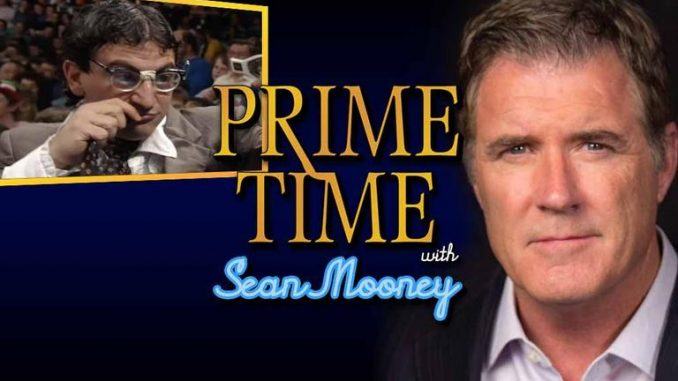
‘Left My Wallet’ is back with former WWF announcer and current host of the popular Prime Time podcast, Sean Mooney!
Sean shares some stories about how he got into the WWF in 1988 and the events that led to his hiring, his love of sports growing up in Arizona, and what teams he rooted for.
Prior to his time in WWF, Sean was an on-air personality and producer for Major League Baseball. During that time, he got to experience some incredible opportunities within the sports world like co-hosting a show with Joe Namath and the advice “Broadway Joe” gave him when it came to the ladies. He also tells about catching passes from the Hall of Famer while at Jets camp, and the comparisons he makes with Joe to Ric Flair.
He then tells of a hilarious story that got him some massive heat with former Dodgers manager Tommy Lasorda and the time he spent getting to know Tim McCarver, Mickey Mantle, and Leo Durocher. Sean also describes his time at WBZ in Boston, being with iconic New England sports personality Bob Lobel, and the Boston sports scene.
Finally, Sean tells how he stays in shape and looks very similar to the way he did upon his WWF debut 30 years ago, his new podcast for men over 40, hosting at Starrcast, and how he got back into the wrestling game.
Of the tens of thousands of names that have graced this profession over the past 100 plus years, there have been stars too numerous to mention. There have been local and even national legends. There have been Hall of Famers and even a few true icons. But in every generation, there is only one immortal, someone who not only changed history, but in many ways, was history.
For most of the period from the late 1930s through the mid-1960s, that man was Lou Thesz. Some people were bigger television stars over a shorter period of time. A few were bigger drawing cards. Some were more famous in specific countries. But looking back, no one was bigger on a world wide stage.
Lou Thesz passed away at about 7:35 a.m. on 4/28, 19 days after undergoing open heart surgery in Orlando, FL, and four days after his 86th birthday. His wife, Charlie updated people regularly, using terms Lou lived his life with.
By Bradley Craig, British wrestling historian and author exclusively for F4WOnline.com
The presentation of All Elite Wrestling’s Buy In pre-show and its Double or Nothing pay-per-view marks British TV network ITV’s latest foray into professional wrestling.
Its last, launching World of Sport Wrestling as an in-house entertainment brand, was its first actual attempt to provide its own content. Unfortunately, the viewership rapidly declined over the course of its first series, and it appears that outsourcing is the direction that the network is looking to pursue through its broadcasting of an AEW product.
But, ITV has a long and established history of working with external wrestling content providers.
Domestically, the channel partnered with Joint Promotions and later All-Star Wrestling to provide its content. However, the broadcaster has worked with global brands for its wrestling output, including stateside promotions such as WWE and WCW.
Paving the way for commercial television throughout British shores, Independent Television network (ITV) was launched in 1955. Upon its inception, the channel was tasked to produce viable programming in competition to the BBC television service, and was the only alternative for viewers at the time. As Joint Promotions was formed as a monopoly wrestling organization in post-WWII Britain, it was inevitable that its status as the clear market leader would provide it with the greatest broadcast opportunities upon the advent of television.
ITV quickly established a partnership with Joint, and their first collaborative broadcast of pro wrestling was held on November 9th, 1955. Eventually, this would lead to a weekly diet of matches by 1960, most notably on Saturday afternoons as part of a cluster of sports programming called Let’s Go. The coverage was a ratings success, the high point of which was a famed May 25, 1963, rematch between rival heels Mick McManus and Jackie Pallo, held on the same day as the FA Cup Final (the culminating match of the most prestigious knockout soccer tournament in England) which some insist to have attracted a television viewership of 16 million viewers.
Within a few years, the Saturday afternoon schedule of ITV sports coverage was reconfigured. From January 2, 1965, the channel debuted World of Sport, a variety sports show that would continue to showcase professional wrestling as a regular fixture. Similar in format to ABC’s Wide World of Sports in the United States, it would remain an institution for domestic wrestling fans until its eventual cancellation on September 28, 1985. Nevertheless, professional wrestling would remain a part of ITV’s Saturday programming.
The standalone show, simply titled Professional Wrestling, would evolve into a rotation of footage provided by Joint Promotions, All-Star and, from 1987, the WWF (incidentally, one of the advertised matches set for UK broadcast was a match between Bret Hart and Tom Magee). In 1988, the show was axed, ending a tradition of 33 years of pro wrestling coverage on ITV.
After the cancellation of British wrestling in 1988, some regions within the ITV network did showcase other American promotions, but the most prominent of these was its deal with WCW which lasted from 1989-1995. In its early years, ITV was a commercial network consisting of several regional franchisees across the United Kingdom. Within this network, Grampian Television was the local broadcaster for the majority of northern Scotland from 1961 through 2006. And it was on Grampian that WCW was presented for the first time to a British audience with its initial transmission on January 10th, 1990: a Wednesday night at 1:30 AM.
Advertised on local newspaper listings as Superstars of Wrestling, the show was actually a repurposed version of WCW Pro Wrestling, created specifically for the international market. It was contained within a block of programming called Night Time, a nocturnal cluster of shows produced by the Granada franchise of ITV being broadcast to several regions across the network in England and Wales, as well as the Grampian region within Scotland. The shared production output between regional franchisees was essential; it was made in an effort to reduce budgets during their low-viewership late hours.
A number of changes were implemented to ensure that WCW Pro Wrestling was immediately accessible to the British market during its initial run. Although it retained the same opening sequence and featured many of the same matches, new commentary was recorded by Lance Russell and later Eric Bischoff to specifically remove any references to upcoming PPVs or house show dates being promoted for the domestic circuit. In fact, the commentators would frequently refer to the show as “International Pro”, recognizing that it was an adapted version and not the original syndicated show that was transmitted across the United States. Almost all linking segments were removed, and replaced with additional matches from other WCW tapings.
Despite an unenviable late-night slot, and an irregular broadcast run in which the airing days and start times were frequently shifted, WCW Pro Wrestling was a success. Introducing a new audience to the superstars of WCW, its popularity steadily increased, which led to the inaugural 1991 tour of the United Kingdom and Ireland and opening up merchandise opportunities.
As a result of the increased brand awareness, WCW was awarded a more regular fixture on ITV.
In addition to its established slot within the Night Time schedule, feedback to some sporadic weekend airings of WCW Pro Wrestling had been well-received. In response, the network had decided to give WCW the timeslot which was once synonymous with wrestling during the era of World of Sport.
On May 29, 1992, WCW made the transition to late afternoons every Saturday with each episode usually starting around 3:50 PM and finishing before the release of the domestic soccer results. A key change was made to the wrestling programming. From its first Saturday broadcast, the international version of WCW Pro Wrestling was substituted in favor of WCW Worldwide, which had just been given a substantial production overhaul in early April. On commentary, long-time Worldwide host Tony Schiavone would be joined by Jesse “The Body” Ventura, their banter being a significant departure from the solo commentary which was prevalent on Pro Wrestling.
Furthermore, Worldwide was given a fresh opening title sequence and on-screen graphics, and various format changes to modernize the show. These included exclusive interviews with the wrestlers and, most notably, the addition of WCW Magazine newsflash segments which updated viewers on relevant storyline happenings within the promotion. Each episode would end with a teaser of the following week’s feature attraction main event in order to entice the viewer to return.
Despite the shows being broadcast several weeks beyond their initial United States air date, the product appeared visually fresher than ever. The Turner production values were a sharp contrast from the Saturday afternoon fare that the British pro wrestling audience had accepted for years. In less than one year of securing the timeslot, the decision was made to tour the UK for a second time in March 1993.
With the improved production values placing greater emphasis on the personalities of the talent, WCW was able to generate mainstream interest in its roster and be in a stronger position to launch its licensed products. One publicity tour in promotion of the WCW Official Video range featured Johnny B. Badd and Van Hammer on a number of media appearances including magazine and radio interviews, and were also the focus of a segment on the BBC daily lunchtime magazine show Summer Scene. However, it was another summertime event which truly illustrated both the live-event potential and the mainstream appeal of professional wrestling in the United Kingdom.
On August 29, 1992, WWF held its annual SummerSlam pay-per-view spectacular at Wembley Stadium in London. Headlined by an unforgettable Intercontinental Championship match between brothers-in-law Bret Hart and Davey Boy Smith, the show was an unparalleled success. Drawing a reported crowd of over 80,000 to the live show, it was a spectacular which likely prompted WCW to galvanise its efforts in the promotion of a second UK tour.
By the autumn of that same year, the announcement was made. WCW was coming back to the United Kingdom, this time for The Real Event tour. With Bischoff promoting the tour in various market-specific WCW Magazine segments that were edited into the UK broadcasts of WCW Worldwide, the company was in a stronger position to communicate its return to its core television viewers. WCW Magazine, which occasionally modified its content for the UK market, ran adverts for the live events. By the New Year, ITV started to promote the tour, setting promotional interviews with Sting for Look-In, and its daily program, Good Morning Britain.
But it was the availability of another wrestling star who had an equally strong influence on the appeal of The Real Event to local fans.
In the autumn of 1992, the WWF career of Davey Boy Smith had come to an end. Amidst a steroid scandal that rocked the Federation, Smith was one of several names who departed with the company as it came under increasing scrutiny from the mainstream media in the United States. However, in the United Kingdom, there was little to diminish the box office value of Smith. As the most prominent British wrestling star of his era, he was a proven commodity and had been cultivated by the WWF as the top attraction of its European tours.
His acquisition by WCW in January 1993 was timeous for the promotion of The Real Event as the national media heavily publicized the arrival of “The British Bulldog”. In WWF, the reach of Smith’s wrestling matches were constrained by the boundaries of its exclusive deal with satellite television provider Sky. For the first time since the 1980s, he could be appreciated by the larger ITV audience. Capitalising on his appeal, he rapidly became the key focus of WCW’s marketing adverts and press releases within local newspapers in an effort to build momentum in the weeks leading to the tour.
But, at the same time, WCW was in the midst of a significant managerial change, due to the abrupt resignation of Bill Watts from the role of Executive Vice President of Wrestling Operations in February. As an interim solution, Wrestling Operations would be administered by Ole Anderson while the booking of talent was under the direct supervision of Dusty Rhodes. Despite the internal upheaval, the promotional appeal of The Real Event was unaffected. In fact, sales figures of tickets were indicating record business.
It would later be reported that the company drew a record-breaking gate of 11,500 fans at its sold-out March 11th event from Wembley Arena, over 10,500 fans to its NEC Birmingham show, a capacity crowd of 8,000 fans to the G-MEX in Manchester, another 5000 person sell-out at the AECC in Aberdeen, and two crowds of approximately 3,000 to Kings Hall, Belfast and The Point in Dublin.
Critical reviews of the tour were highly praised. Coming off the SuperBrawl III PPV, the roster appeared motivated to excel in front of some of their largest paid audiences on international soil. But the success was illustrated in the statistics. In terms of consecutive business, it was WCW’s most lucrative schedule of house shows that the company had promoted to that point.
WCW would retain this national timeslot within most of the ITV regions until 1995. With no major national broadcast shopfront for its product, the streak of commercially viable UK live events came to an end.
For ITV, there would be no significant national presence of professional wrestling on the network until the pilot broadcast of the domestic production of WOS Wrestling in 2016.
However, a repurposed version of WCW Worldwide would later return to a national terrestrial audience in the summer of 1999 through a partnership with Channel 5, which lasted until the closure of the promotion in 2001. The timeslot proved somewhat successful as the novelty spurred another set of international tours presented by WCW which maintained box office appeal during a time when its domestic gate returns had shown sharp decline.
But it would not be long before the company’s prime competitor would secure a deal with a national broadcaster.
In December 1999, when WWF’s partnership with Sky was set for renewal, the promotion secured a deal with Channel 4 to showcase WWF Heat on Sunday afternoons as part of a cluster of shows under the T4 banner (a programming block aimed at teenage and young adult viewers), together with five of its PPVs per year, commencing with the 2000 Royal Rumble.
In terms of viewership potential, the presentation of AEW Buy In on ITV 4 presents the greatest reach for a US-based promotion since the WWFs deal with Channel 4 ended in 2001. But AEW’s Double or Nothing pay-per-view is being presented to a new audience via a broadcaster with a historic link to professional wrestling that can be traced back 64 years.
In the short term, it is clear that ITV is willing to take a gamble with AEW’s debut at Las Vegas.
What remains a subject of speculation is the broadcaster’s commitment to professional wrestling as a long-term property and the international opportunities that might be born from that investment.
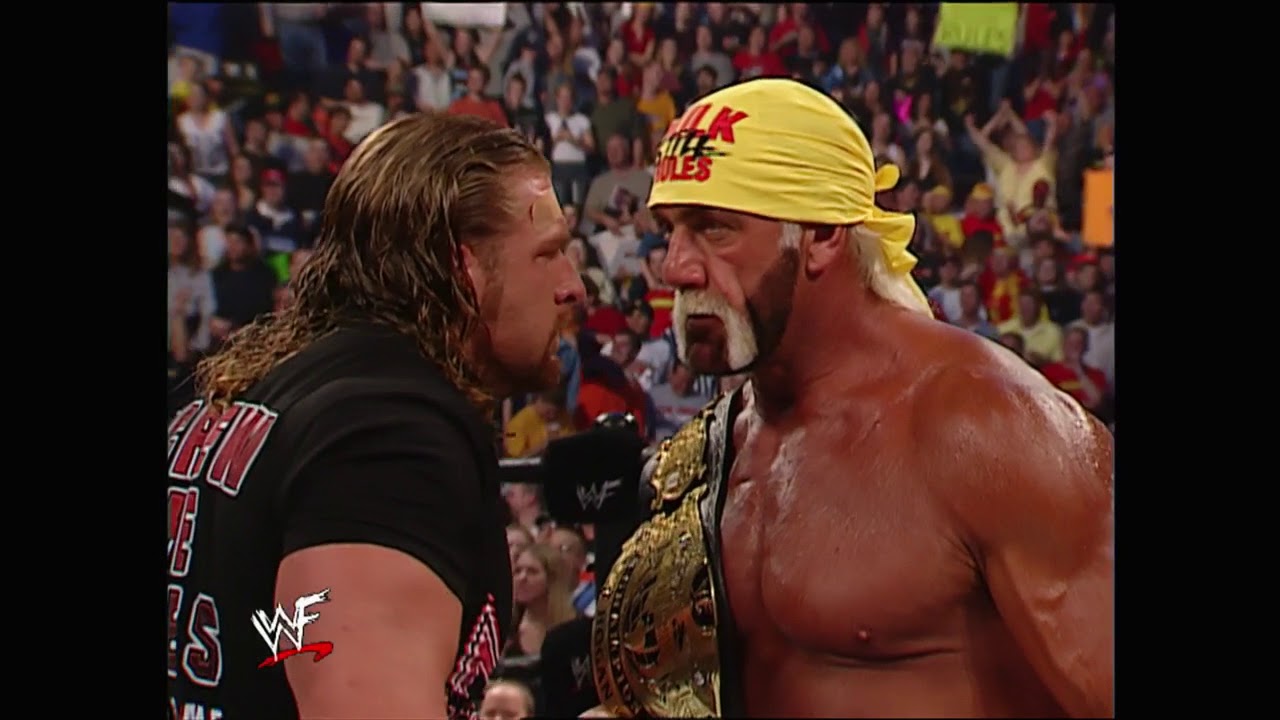
Vince McMahon promised the happy ending to the Hulk Hogan comeback, and delivered, with Hogan winning the WWF title from HHH to headline the Backlash PPV on 4/21 in Kansas City at Kemper Arena.
It was something that was probably going to happen at some point, but even though it seemed like the obvious finish from the outside, it was a late decision, not finalized until the day of the show.
At 48 years old, Hogan becomes one of the oldest world champions in history. While not the oldest champion in WWF history (that would be Vince McMahon for a one week gimmick run in 1999 at the age of 54 designed to pop a rating), you could make a case he’s the oldest champion meant to be taken seriously. Ric Flair was 51 the last time he held the WCW title, but that was in 2000 when they were changing it weekly and it no longer meant anything.