December 6, 2004 Observer Newsletter: Zero-One, Dick Ebersol’s influence on wrestling

Shinya Hashimoto’s Zero-One promotion, which just a few years ago seemed to have the best booking of any major company in the world, fizzled out of business just as Hashimoto had feared it would once he was no longer appearing on the shows.

However, Hashimoto has hardly come off as a sympathetic character after the company announced it was closing its doors on an 11/25 press conference, being approximately $1.2 million in debt. Many have blamed Hashimoto for using company money for personal use, and almost everyone in the company had turned on Hashimoto.

At the house show later that evening at Korakuen Hall, the final show of the promotion, it was expected Hashimoto would address the fans, but instead, he never came.

With Hashimoto out, a new company will start in its wake called Fast On Stage Corporation, with Shinjiro Otani as company president and Yoshiyuki Nakamura heading up the business end.
Current subscribers click here to continue reading.

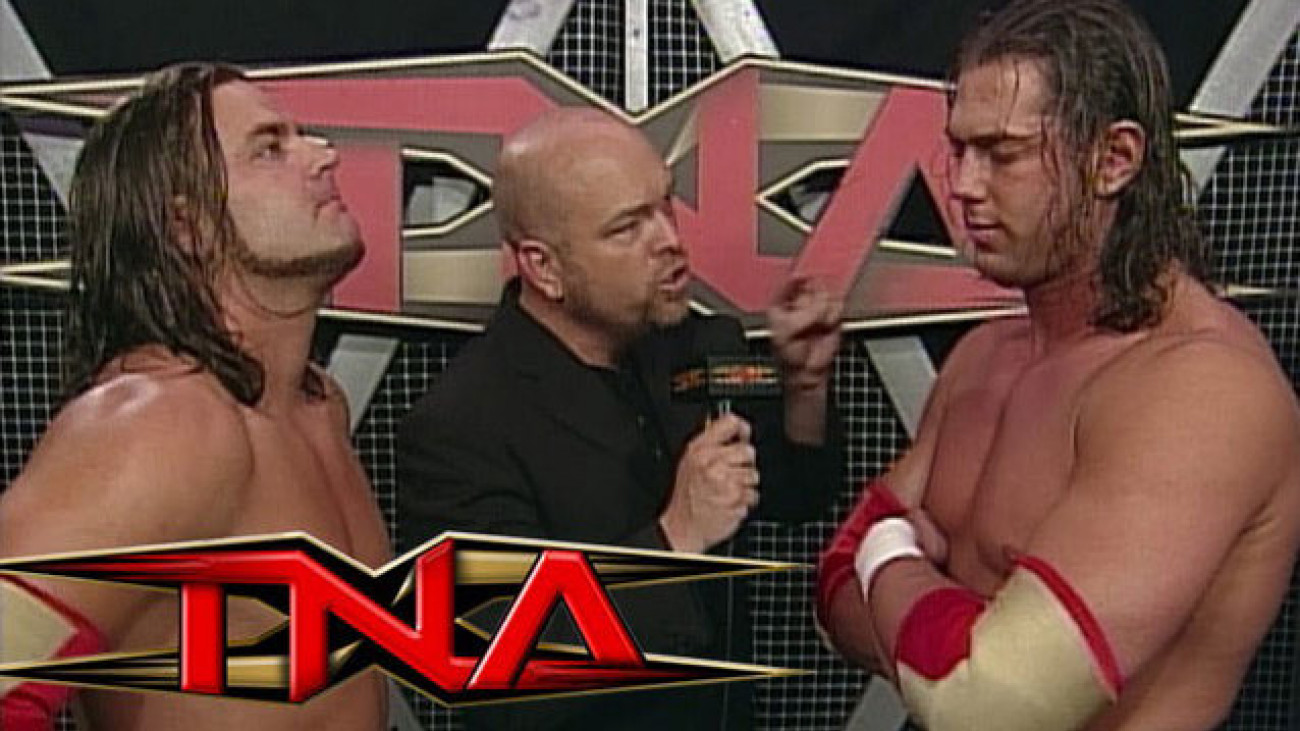
November 29, 2004 Observer Newsletter: TNA struggling financially, WWE financial quarter details

It was the biggest week in TNA history, and now, from all signs, when it didn’t pan out, the company is in critical condition.

Here is the basic financial score. Panda Energy, in the two-plus years it has been funding TNA, has lost approximately $15 million on the venture. This came on the heels of the $1.6 million Health South lost in getting the company off the ground. There may have also been losses that Jerry Jarrett incurred during the interim period between Health South money and Panda Energy money. Because of the cost of buying television time, producing television, and signing higher-priced talent, the losses in recent months have hit $200,000 to $250,000 per week. With the exception of WCW from 1999 on, no wrestling company in history is believed to have ever burned money at anywhere close to this rate. Worse, they’ve done so without really making any mark on the industry or having any significant public visibility.

Current subscribers click here to continue reading.

November 22, 2004 Observer Newsletter: Survivor Series review, Samoa Joe vs. CM Punk, more

The Survivor Series, traditionally one of the company’s “big four” events of the year, only accentuated all the reasons WWE is continuing to lose popularity.

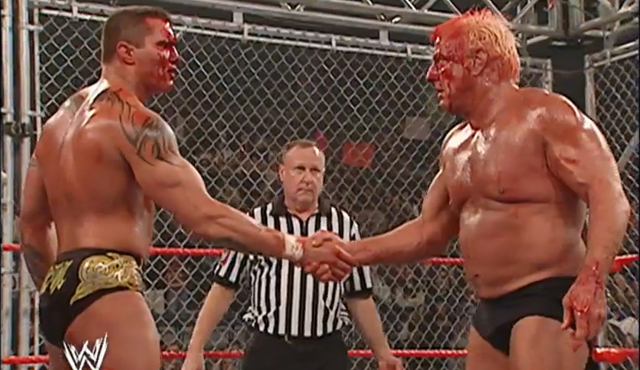
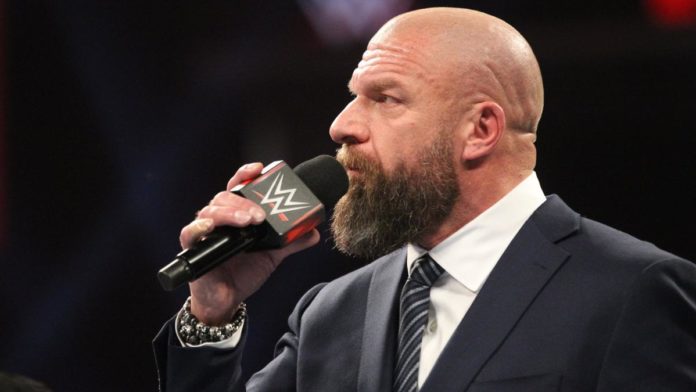
Unlike last year, where the show started the build for several matches that culminated at Wrestlemania, this year’s show ended with nothing interesting having been developed. The final scene of Randy Orton once again in triumph, having beaten HHH when they were the last two, was the obvious ending and the only ending that could have been done, given the idea of a HHH vs. Orton Wrestlemania main event. But people are hardly beating down the doors to see that match, and there is no other potential match that they would be. The problems talked about continued, with almost all the belts remaining on heels, meaning an unpleasant series of results to the most loyal fans who buy the house shows and PPV shows. Not that Booker T is the answer to anyone’s prayers, but his match with JBL was a conceptual disaster. It was the same ref bump, outside interference, belt shot heel title win that they’ve been doing to death for the past year and people are long since tired of.

Current subscribers click here to continue reading.

November 8, 2004 Observer Newsletter: Panda Energy losing faith in TNA, PRIDE vs. K-1, more

When history looks back at what at this point is really just an expensive historical blip on wrestling’s radar screen, the period from 11/7 to 11/11 will be a key turning point in TNA company history.

While everyone involved knew from the start this would be a long haul if there was to be success, there is genuine fear among those involved that Panda Energy, the money which kept the project alive in 2002 when it was about to go bankrupt, is losing patience. Those involved have noted you can see cutbacks behind the scenes being made, including the attempt this past week to stop paying the jobber crew (which would have only saved the company $600 per week), which was overturned in one day due to so much negative feedback the company got. There were also problems with reservations at the hotel this past week, as some people had their hotels changed without being told. There are other signs that people are starting to get worried.

Current subscribers click here to continue reading.

November 1, 2004 Observer Newsletter: Questionable future of pro wrestling, more

In all the time I’ve been a fan of pro wrestling, I’ve never been more concerned, or more scared, about its future. Not that the business won’t be around, because WWE has so much money, but that pro wrestling, unless the problems are addressed, will end up at a lower level of popularity than at any time in recent memory.

To look at the 1992-95 period in the U.S. and say things were far worse, and in ways they were far worse, misses a major point. Yes, revenues were far lower, and about the only promoter in the U.S. running at a profit was Jerry Jarrett. And while his company hadn’t started losing money because he had guys working five nights a week for $125 per week, it eventually did and by then was already headed down the path that would end up as extinction. But it felt like there were people interested in wrestling, and more, there were so many things about wrestling being done internationally, in particular in Japan and Mexico, that were revolutionary at the time. There were many great wrestlers around who, often because of size, had not been exposed to the U.S. fan base.

Current subscribers click here to continue reading.

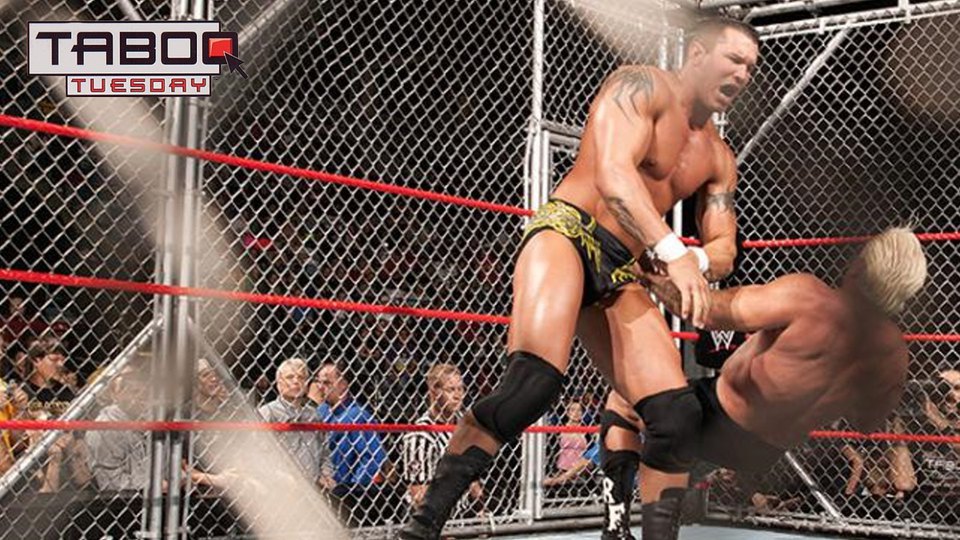
October 25, 2004 Observer Newsletter: WWE Taboo Tuesday review, UFC 50 changes, more

When Taboo Tuesday was first announced, I was skeptical, as it reminded me of a conversation many years ago with Houston promoter Paul Boesch. He said that you have to be in control of your storylines, not in those exact words. He said at one point, he did a gimmick in his program where he asked fans to vote for the match they most wanted to see. At the end of the night, the votes were clear, the fans wanted a match they could never see the way the business was at the time, where the area’s top two babyfaces (forgive me but I don’t know who they were at the time) would face each other in a singles match. He thought since the fans spoke, he should deliver the match and since they wanted it the most, it would draw great. The match bombed, and a lesson was learned. This was an era where most promoters (and there were exceptions) had learned that if you put the two most over babyfaces against each other, the box office was usually disappointing, which explained why 98% of the main events in that era were face vs. heel.

Current subscribers click here to continue reading.

October 18, 2004 Observer Newsletter: WWE leaving Spike TV, Pat Patterson resigns from WWE, more

It was a wild week for World Wrestling Entertainment, as it had its biggest house show week in company history, a Hollywood Reporter story broke regarding its attempt to up its rights fees and possibly leave Spike TV, and behind-the-scenes creative problems led to the resignation of the No. 2 man on the creative side from the original expansion period, Pat Patterson.

The company’s 12-show European tour grossed an estimated $7.4 million, by far the biggest week when it comes to live shows in company history. Even with lackluster business elsewhere, it virtually guarantees a strong quarter. The company played to sellout crowds on nine of the 12 shows, including both Smackdown shows on 10/7 and 10/8 in Belfast, Northern Ireland playing to full houses and grossing about $1.1 million on the two nights. The company topped $1 million for the Raw taping and was expected to come close to that number for the Smackdown tapings in Manchester. They also did nearly $950,000 for a sold out Raw show on 10/8 at Wembley Arena in London.

Current subscribers click here to continue reading.

October 11, 2004 Observer Newsletter: WWE No Mercy review, more

There has been a saying in WWE seemingly for generations, that goes something like this–how goes the Garden, goes business. Of course, times are very different from when Vince Sr. used to say that because the Garden was the key profit center for the company. Now, because of its history, the company still considers it as its most important arena stop, but arena shows are far down on the list of where company profits come from.

Still, as much as this shouldn’t be a surprise, the idea that the Meadowlands (Continental Airlines Arena in East Rutherford, NJ) drew 10,000 paid for a PPV show and MSG drew an estimated 7,500 for a live Raw the next night is just the latest point hammered home about the loss of popularity. What is worse, our poll indications, which are usually fairly accurate, seem to show No Mercy on 10/3 from East Rutherford, and will likely fall well below the recent “bottom level” of PPV shows of 220-235,000 buys. Our response level was down 21% from Judgment Day, which was the low point for this year.

Current subscribers click here to continue reading.

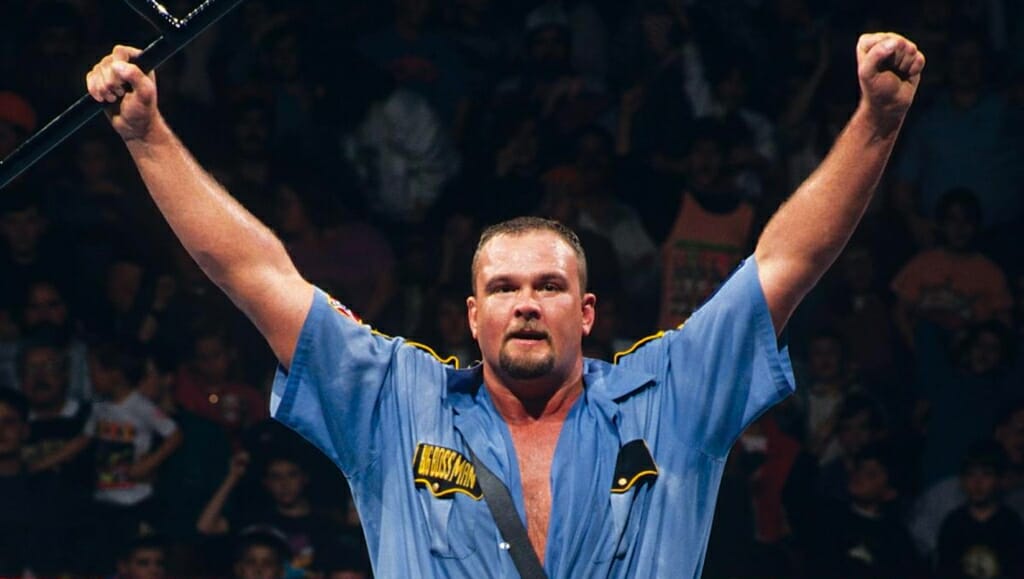
October 4, 2004 Observer Newsletter: Death of Ray ‘Big Boss Man’ Traylor

Two weeks ago, Ray Traylor and Brad Armstrong bumped into each other for the first time in a while working a small indie show in Georgia. They had been friends for about 19 years, but when you get out of the wrestling mainstream, you lose contact with people. They started talking about how they have to stay in contact because so many of their good friends who were about the same age, in particular Curt Hennig, Rick Rude, and Road Warrior Hawk, had passed away, not to mention Traylor being emotional over his mother passing away just over a month ago.

For Traylor, those deaths had to be hard because when he was the Big Bossman in the WWF, and later in WCW when they reunited, his running buddies were Hennig and Rude. They loved to joke. They loved to party, and they loved to laugh.

Current subscribers click here to continue reading.

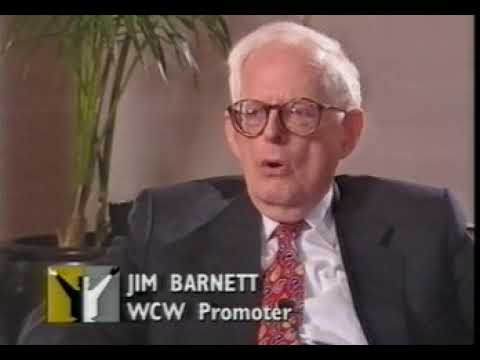
September 27, 2004 Observer Newsletter: Death of Jim Barnett, issues backstage for WWE

im Barnett, the last link to the beginning of television wrestling, and for most of the past 55 years, one of the most influential people in the industry, passed away on 9/17 at the age of 80.

Barnett and Sam Muchnick were considered the two most powerful promoters during most of the NWA’s glory period, even though Barnett was actually never an official member until 1969, and for years, other promoters didn’t even want him at meetings. Along with Vince McMahon Sr., and later Eddie Graham, they were the probably most influential men on the promotional end of the industry during the 60s and 70s. He was in the middle of many of the biggest deals and changes that shaped the real changes in wrestling history. He was a charming figure, and with the possible exception of Stu Hart, perhaps the most imitated man in the industry with his effeminate, “Tom, my boy,” entree. 

Current subscribers click here to continue reading.

September 20, 2004 Observer Newsletter: WWE Unforgiven review, TNA developments

Normally, one show, particularly like Unforgiven, is here today and gone tomorrow. There have been worse shows, although most WWE PPV shows were better. But there are some scary signs, and more people than ever before seem to be picking up on them.

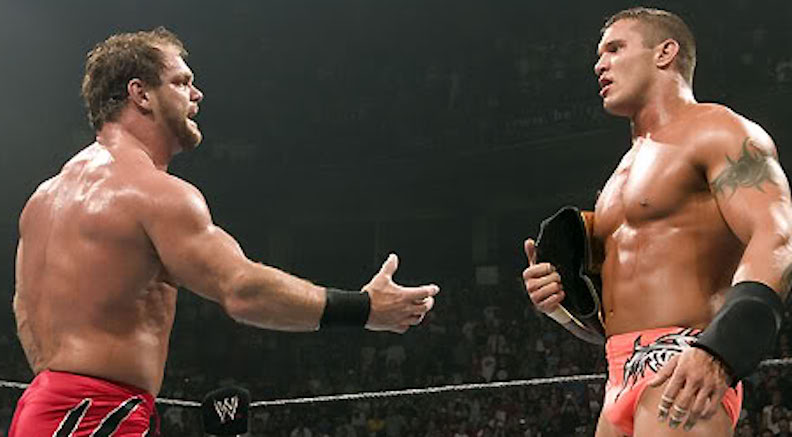
The product is stale. Without some badly needed switches of key talent, there are no new match-ups. On the Raw brand, they came up with the scenario in the summer of 2002 to build up HHH vs. Randy Orton as a top program. Orton seemed to be the most improved character of the year, with his superstar look and improving ability. He came off like a superstar in matches with Mick Foley, Chris Benoit, Edge and Chris Jericho, in building to the big angle. The angle was rushed. The wrong guy turned. The first match took place too soon. And the people didn’t care.

Current subscribers click here to continue reading.

September 13, 2004 Observer Newsletter: Tallying main events, Real Pro Wrestling, more

After doing the Hall of Fame issue and going through the big matches of so many of the wrestlers, I got curious regarding PPV main events.

Usually, there is a reason behind doing things like this, such as to see who, historically, really drew and didn’t. That may be a project for another day. We’ve done the 1.0 buy rate comparisons in the past, but that’s really not fair. For example, in 1989, a Halloween Havoc match with Ric Flair & Sting vs. Great Muta & Terry Funk did a 1.8 buy rate. This past year’s Wrestlemania didn’t even do that, and it may have been the biggest money show in the history of pro wrestling (either that or the 2001 Mania in Houston were). Oscar de la Hoya vs. Bernard Hopkins probably isn’t going to do that number (although it may come pretty close), and you can’t possibly compare the interest in this year’s Mania and the big fight of this year with a 1989 WCW PPV 

Current subscribers click here to continue reading.

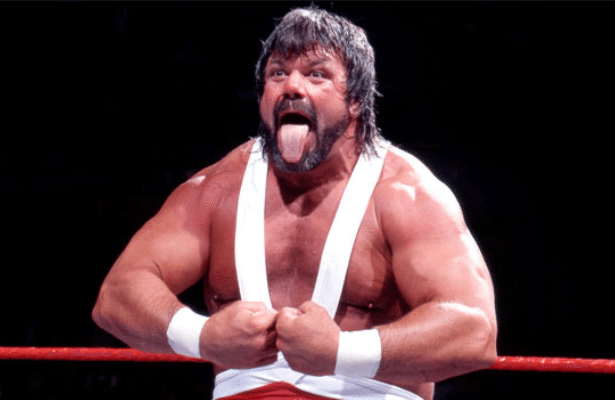
September 6, 2004 Observer Newsletter: Steve Williams cancer worsens, history of Olympians in pro wrestling

Steve Williams had a reputation in the 80s of being one of the physically toughest men ever in pro wrestling. His background included being an honorable mention All-American as a football player and a four-time place-winner at the NCAA heavyweight tournament during a very strong era for heavyweights.

As a pro wrestler, he became a headliner in Mid South Wrestling, parlaying his college sports stardom into the idea that in a business of tough guys, he was the real deal. After the company folded, he became an even bigger star with All Japan Pro Wrestling.

Between wrestling a match the night after taking more than 100 stitches in his eye on an afternoon show in his Mid-South days, or even this year, doing a shoot match just shy of 44 years old against K-1 star Alexey Ignashov, while secretly suffering from throat cancer, there is no question of his guts. While he lost his last and most real high profile match on 3/14 in Nagoya in just 22 seconds, almost nobody except for his close friends, were aware of his predicament. 

Current subscribers click here to continue reading.

August 30, 2004 Observer Newsletter: Randy Couture wins at UFC 49

Someday, sadly, Father Time will catch up to the most successful champion in UFC history.

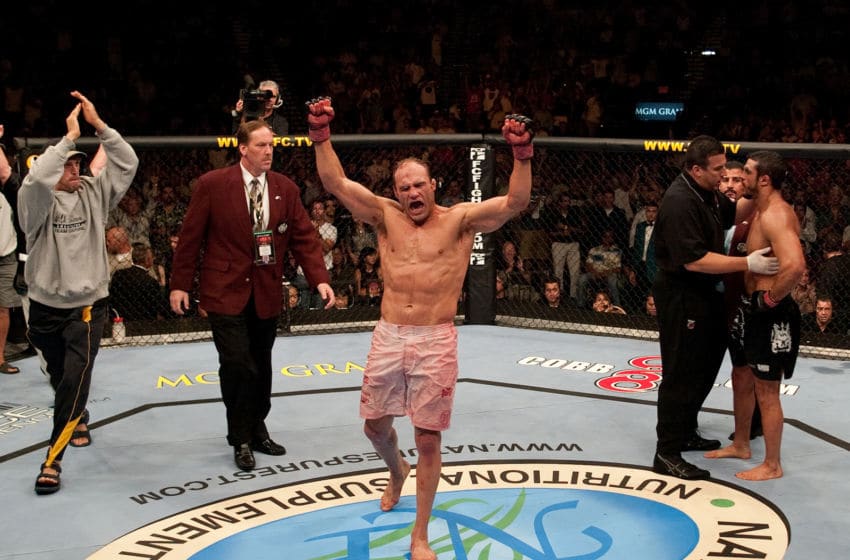
But for now, it will have to wait. 41-year-old Randy Couture captured the UFC light heavyweight championship, becoming the first four-time champion in the 11-year history of the sport, by stopping 26-year-old Vitor Belfort after three rounds, in a rematch of the 1/31 fluke where Belfort captured the title.

On 8/21 at the MGM Grand Garden Arena in Las Vegas, Couture is now both a two-time heavyweight champion and two-time light heavyweight champion, with a tenure that dates back to a title win back in 1997 from Maurice Smith. In even more interesting news, after his match, Couture issued a challenge to Pride’s champion, Wanderlei Silva, who was sitting at ringside. While UFC officials were adamant that Couture did this on his own and it was not a planned angle, the fact was, Pride had released both in Japan, and in the U.S. in a press release, that Silva was going to Las Vegas.

Current subscribers click here to continue reading.

August 25, 2004 Observer Newsletter: Summerslam review, arrest of Steve Austin’s girlfriend

The story of the 8/15 SummerSlam show at the Air Canada Center in Toronto was supposed to be Randy Orton winning the World title from Chris Benoit.

Instead, the story was the crowd reactions on a show that sold out with an announced crowd of 17,640, sold out weeks in advance, and an approximate $1.3 million ($1.0 million U.S.) live gate. WWE hasn’t had a crowd like that for a show since Wrestlemania. But when it was over, it seemed like the company didn’t want the crowd it got.

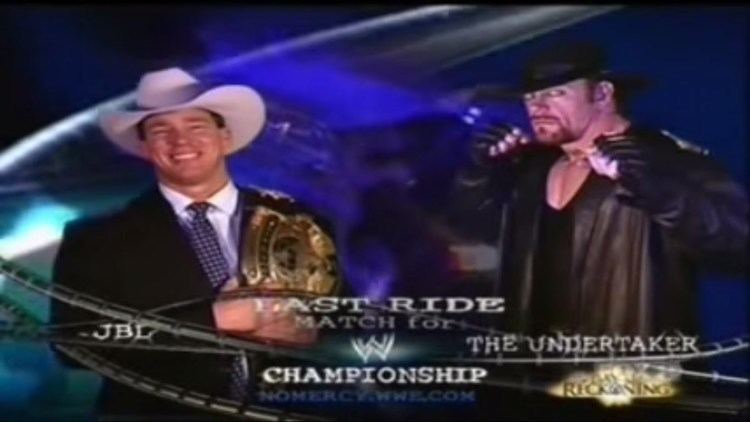
The problems are best explained in a letter from someone there live (see readers pages). The crowd cheered HHH and Orton probably more than anyone on the show. Chris Benoit was also cheered, as was Kurt Angle. They crapped all over the JBL vs. Undertaker WWE title match, doing a long wave, openly not paying attention to the match, clearly were reacting to things not in the ring, chanting “Spanish table,” apparently wanting someone to go through the table (HHH’s fault on that, because by clearing out the monitors, everyone expected a table spot, and kept chanting for the spot that never came for the rest of the show; I’m sure his mentality is doing it was to show clearing out the monitors doesn’t equal breaking the table so that it won’t be so “expected” the next night someone cleans out the monitors), “boring” and by the end, the entire upper deck was said to be chanting, “end this match.”

Current subscribers click here to continue reading.