After WWE finally announced the fate of this year’s WrestleMania Monday night, questions arose as to what the plan was for both NXT TakeOver and the Hall of Fame Ceremony, two staples of the weekend leading up to the company’s biggest show of the year.
Quite simply, they don’t appear to be happening — at least not in their usual form.
WWE’s statement to this writer and other media outlets was consistent: “The WWE Hall of Fame Ceremony and NXT TakeOver will not take place as previously scheduled. We will share further details as they become available.”
The key part of that phrase, however, is “as previously scheduled.”
The prevailing sentiment is that some form of an NXT TakeOver event will air from the Performance Center, likely the Wednesday before WrestleMania and a major coup in the “Wednesday Night Wars” against AEW who announced they will continue to run Dynamite in front of closed set locations for the forseeable future.
That leaves the Hall of Fame ceremony which can’t happen in its usual form with an audience due to the coronavirus outbreak. Given the need for live and new content with virtually the entire sports world on hiatus, WWE could use recorded acceptance speeches during Raw, SmackDown, or on a separate program, but that is simply speculation.
The largest new class in more than two decades, with ten different wrestlers, was inducted into the Wrestling Observer Hall of Fame in the 2019 voting.
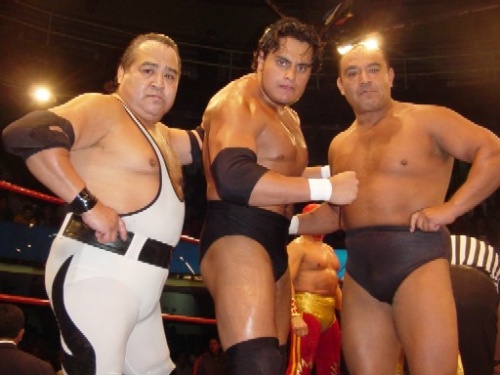
Leading the charge are Los Misioneros de la Muerte, sometimes known by the English version of that term, The Death Missionaries. They were the original top heel trio in Mexico from the 1980s, consisting of El Signo, El Texano and Negro Navarro.
Joining them are three other wrestlers from Mexico, Ultimo Guerrero, the longtime top rudo headliner for CMLL at Arena Mexico, Villano III, one of the top singles stars of the UWA heyday in the late 70s and into the 80s and early 90s, and Dr. Wagner Jr. The latter two are the eighth and ninth sons of Hall of Famers to be inducted in history. Villano III is the son of Rey Mendoza while Wagner Jr., obviously, is the son of Dr. Wagner.
It’s almost hard to fathom that the WWE of most of this year is the same company of the past few weeks. Well, I guess the day after SummerSlam watching Raw it wasn’t as hard.
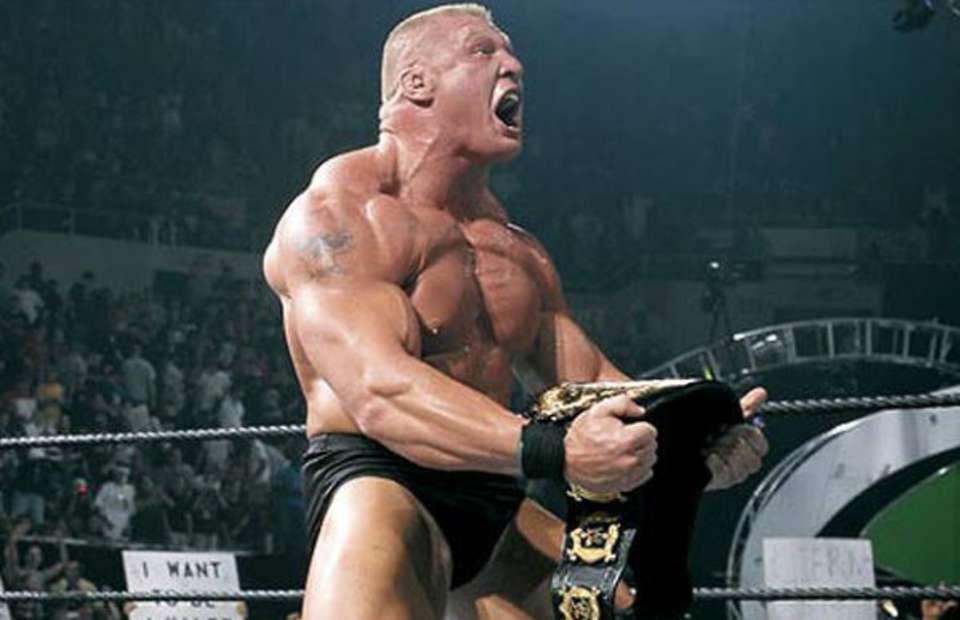
SummerSlam ’02 on 8/25 at the Nassau Coliseum will go down as one of the best received PPVs in company history and the night of anointing Brock Lesnar as the company’s new superstar.
Of course, that decision was made months ago, and was rocky at first. Lesnar’s early push was reminiscent of sputtering pushes given to others that some people in the company were behind, and others were railroadi His win at King of the Ring came across far more impressive for the majority of fans who skipped that PPV and only heard about it on television. ng. Instead of being a monster, he was portrayed as a guy who needed manager interference to save him from being pinned by mid-carders like Bubba Ray Dudley and the Hardys.
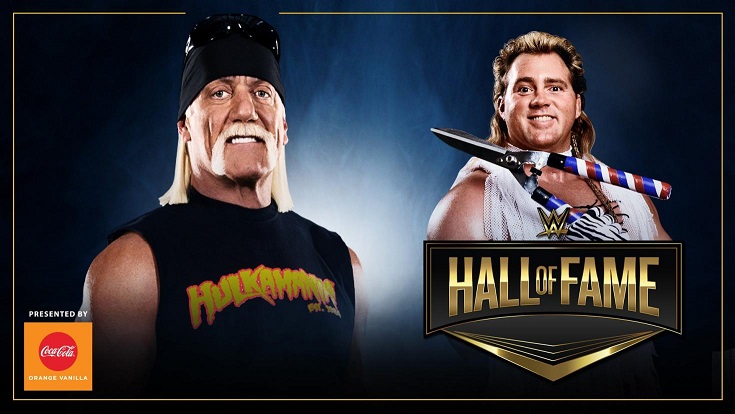
Hulk Hogan has been officially announced as the person inducting Brutus “The Barber” Beefcake into the WWE Hall of Fame.
WWE released the news on Thursday, citing Hogan and Beefcake’s close friendship. The ceremony will be at the Barclays Center in Brooklyn, New York, on Saturday, and will air live on the WWE Network at 7 PM Eastern.
The professional connection between Beefcake (real name Ed Leslie) and Hogan dates back to the 1970s when they often teamed in Southeastern territories.
The two later teamed again in WWF, most notably headlining 1989’s SummerSlam and the main event for the No Holds Barred movie PPV event, defeating Randy Savage and Zeus on both shows.
Beefcake would later join Hogan in WCW, where the two were alternately friends and foes. They headlined 1994’s Starrcade event in a singles match.
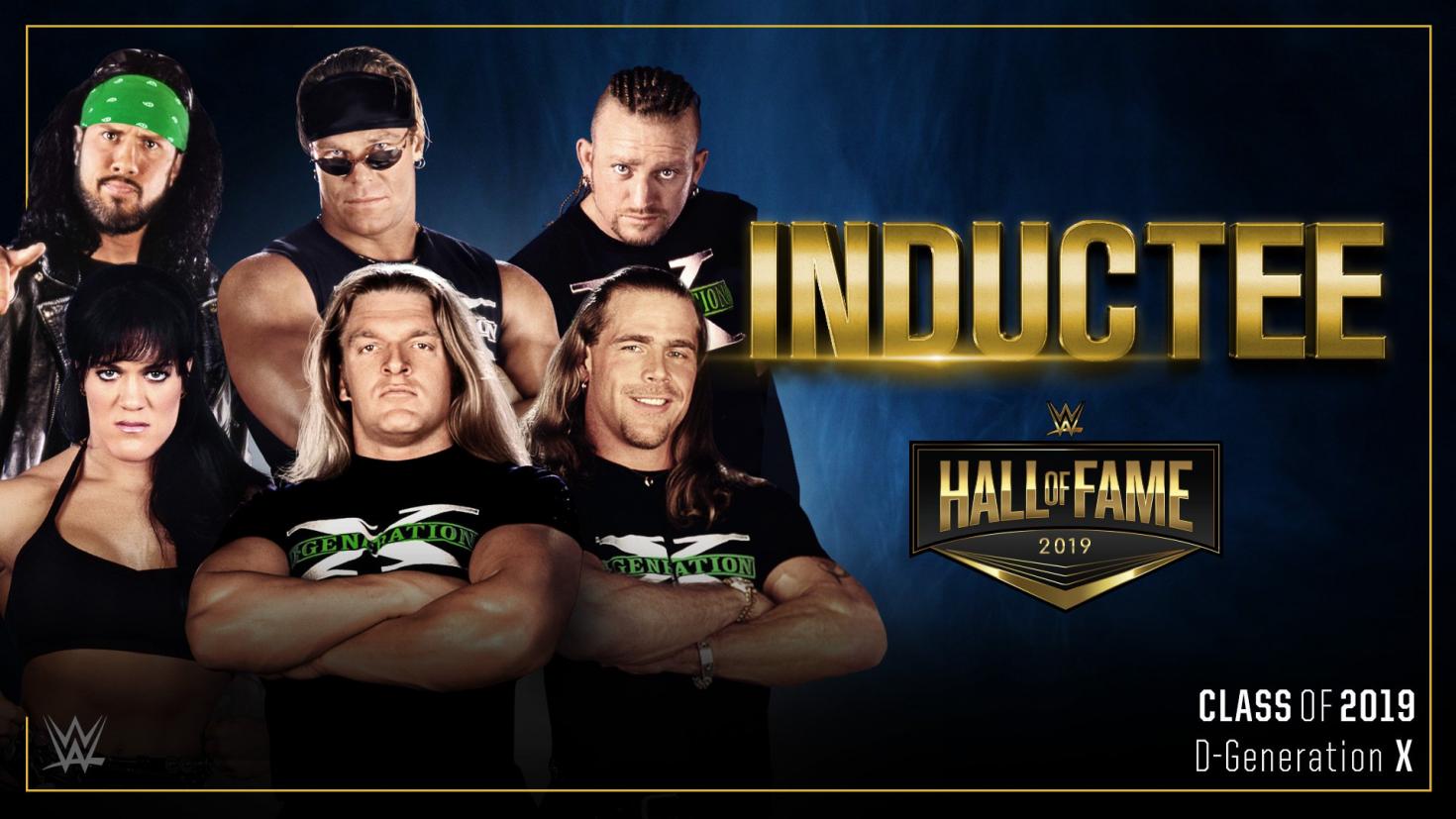
Beefcake, Honky Tonk Man, Torrie Wilson, D-Generation X, Harlem Heat, The Hart Foundation, and Sue Aitchison (Warrior Award) make up the 2019 HoF class.
While interest has inevitably decreased over the years, the 2019 WWE Hall of Fame induction ceremony feels like less of an essential part of WrestleMania weekend than ever.
There are a few major reasons why the Hall of Fame ceremony has lost some of its luster. As WrestleMania week has become a destination for promotions from the United States and abroad, fans have to make difficult decisions on how they’re going to spend their time and money. It’s impossible to attend or stream everything that you want to — and in-ring events are going to be the priority for a lot of people. That’s especially true this year with the ceremony going head-to-head with ROH and NJPW’s G1 Supercard at Madison Square Garden.
This year’s class is the first time that it has really felt like WWE is running out of options for Hall of Fame headliners.
This year’s WWE Hall of Fame class has its second confirmed act.
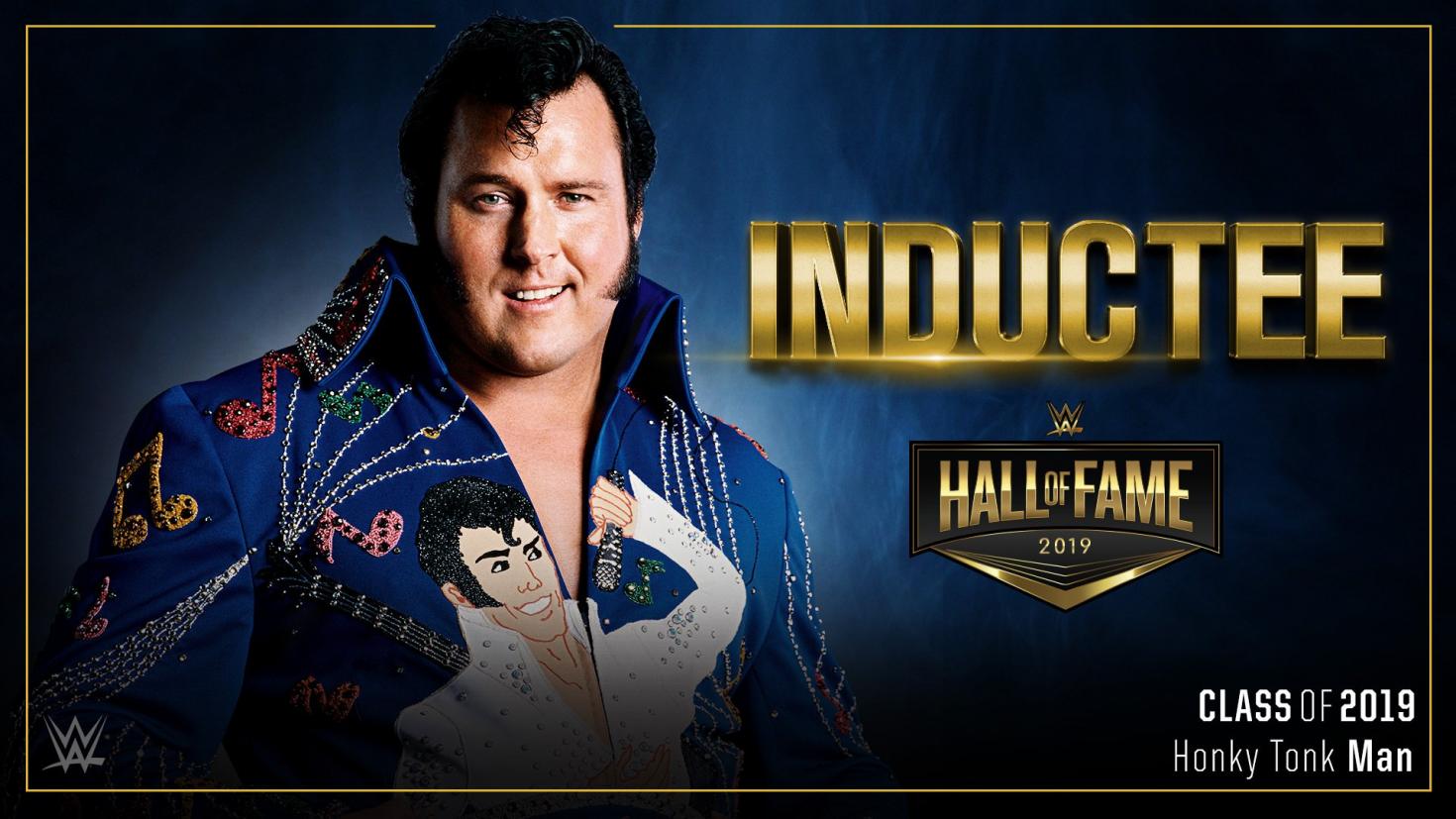
WWE announced via CBS Sports today that the Honky Tonk Man will be inducted into their Hall of Fame over WrestleMania 35 weekend. The ceremony is taking place at the Barclays Center in Brooklyn, New York on Saturday, April 6.
“WWE is the place to be. For me, it’s the only place I have ever wanted to be,” Honky Tonk Man (Wayne Farris) told CBS Sports on their State of Combat podcast. “It’s the place that if I’m ready to finish up, that’s where I want to be. It’s home for me because I have so many fond memories of everything that has been accomplished by WWE and from what I’ve accomplished myself. It wasn’t me alone, it was a huge team effort.
“That is what’s amazing and what is so great about being part of the WWE. The door is open to you and it’s up to you if you want to walk through it. I look back on everything and for some unknown reason, everything has a meaning. The timing, everything about this year in the 2019 Hall of Fame, everything was lining up perfectly. I never dreamed it was going to happen and would tell people that it’s something I don’t think about every day of my life. But to be able to be part of this, it’s hard to explain.”
Honky Tonk Man’s 454 days as champion is the longest Intercontinental title reign in WWE history. He won the title from Ricky Steamboat on June 2, 1987 and dropped it to the Ultimate Warrior on August 29, 1988.
D-Generation X (Triple H, Shawn Michaels, Chyna, X-Pac, Road Dogg, and Billy Gunn) were the first act to be announced for the 2019 WWE Hall of Fame class.
Wrestling Observer Radio with Dave Meltzer and myself, guest co-host Garrett Gonzales, is back for a Friday night edition of he show.
Joining us is Will Cooling from Fighting Spirit Magazine.
We first discuss the Wrestling Observer Hall Of Fame, looking at who made it and who didn’t. We go over Kenny Omega as a candidate, look at some of the Mexican wrestlers who have a good shot to go in next year, as well as other wrestlers who are on the fringe. (Yes, we also talk about Big Daddy.)
The conversation then moves on to UK wrestlers who could be up for bigger things, like new ROH signee Mark Haskins, and the UK scene at large including TV.
Timestamps:
Start – 41:21: Hall of Fame discussion
41:21 – 46:26: Mark Haskins to ROH
46:26 – 56:12: WWE UK situation
56:12 – 1:04:23: UK TV scene
1:04:23 – 1:06:59: UFC and the UK
1:06:59 – 1:09:13: More on boxing
1:09:13 – end: Mailbag
We end the show with mailbag questions concerning All Elite Wrestling.
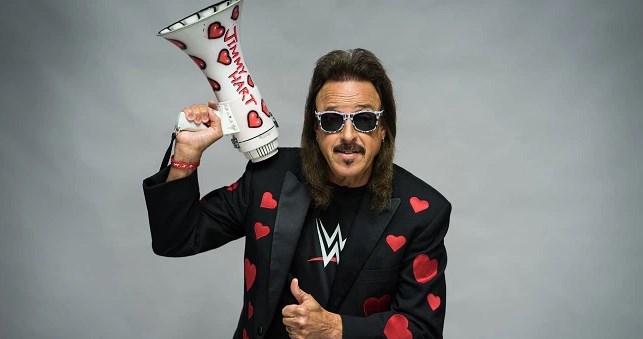
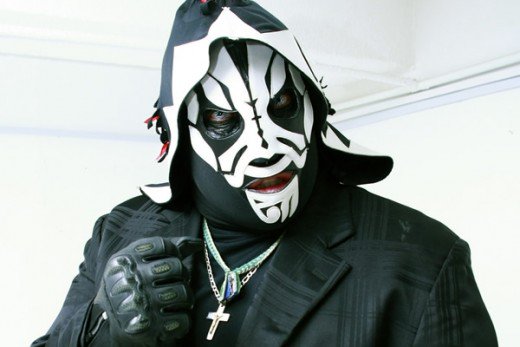
L.A. Park, Jerry Jarrett, Jimmy Hart, Bill Apter, Howard Finkel, Gary Hart and Yuji Nagata make up the 2018 class of the Wrestling Observer Hall of Fame.
To be inducted into the Hall of Fame, one must get at least 60 percent of the votes from their respective geographical region. Park came from Mexico, Jarrett, Jimmy Hart, Apter, Finkel and Gary Hart were modern era (still active on a major league basis after 1988) inductees from North America and Nagata was the lone inductee in Japan. There were no stars whose careers on top ended prior to 1988, nor inductees from the rest of the world.
Wrestlers are supposed to be judged on four major criteria, positive historical importance to the business, drawing power, in-ring ability and longevity. A Hall of Famer should be strong in all four of those categories, but if they were one of the dominant standouts on a worldwide basis is one of those categories they also should be voted in.
Johnny Rougeau has been one of the most popular wrestlers to ever come from the Montreal territory, only behind Yvon Robert and on par with Edouard Carpentier. His peak was between 1966 and 1972, although he had started to become popular at the end of the 1950s. He holds the crowd attendance record for wrestling at the old Forum before they renovated the arena and added seats. He holds the third best wrestling attendance in the history of the Forum and the second biggest ever in Montreal. His last name is royalty in the province of Quebec with his brother and three nephews all becoming wrestlers.
As a promoter, he has three of the best 20 attendances in the history of Quebec wrestling. And when you look at the biggest draw in the history of the province, based on pretty much the same system Dave Meltzer uses at a worldwide level, he’s fifth in Quebec, behind Yvon Robert, Killer Kowalski, Hulk Hogan and Edouard Carpentier, four Hall of Famers.
Born Jean Rougeau on June 9, 1929, he started his wrestling career in 1951. Rougeau was proud of his convictions, and when he was given convincing arguments, he could get involved in multiple projects as demonstrated by the numerous careers he juggled. It’s no surprise, therefore, that he decided to help create the first trade union at Coca-Cola in the 1950s. The move ultimately cost him his job. His uncle, Eddy Auger, wrestled in the Detroit territory at that time. When someone got injured, Auger called his nephew. Rougeau had played hockey, but also trained as an amateur wrestler when he was a teenager. He had done a few matches here and there in the late 1940s, but didn’t pursuit wrestling at the time. Out of work, Johnny decided to accept his uncle’s invitation.
It was the beginning of an incredible career.
At the time, it was difficult to break into the Montreal territory as Eddie Quinn found Rougeau, like many local guys, to be too small. Nevertheless, he finally made his Montreal Forum debut on January 30, 1952. He wrestled semi-regularly in the preliminaries throughout 1952 and 1953. When not wrestling at the Forum, he would do upper mid-cards and main-events for promoter Gerry Legault at the Exchange Stadium. It was common in those days for the prelim guys at the Forum to main-event around town for other promoters.
Quinn and Yvon Robert, the biggest wrestling star Quebec has ever known and part owner of the territory at the time, were in a position to decide which French-Canadian would be part of the show. They could make you a hero or a zero. Robert, in particular, was determined to maintain his position, even late in his career. Over the past decade, only Larry Moquin had kept an enviable place in the organization. Robert was in his early forties and knew his wrestling career was nearing its end. Clearly, he would get to choose who would take his place and he had the choice between many young up-and-comers like Maurice Vachon, Guy Larose (Hans Schmidt), Sammy Berg, Tony Angelo, or even Yvon’s own brother, Maurice Robert.
Robert ultimately chose Johnny Rougeau.
The first step was the Junior Heavyweight title, held at the time by a veteran named Harry Madison, who had represented Canada in freestyle wrestling at the 1932 Los Angeles Summer Olympics. On June 8, 1953, in front of a sold-out Exchange Stadium, Rougeau won the title. The special referee for the match was none other than Yvon Robert.
Then, three months later, Rougeau wrestled in his very first main-event at the Montreal Forum. On September 9, Rougeau, 24, teamed with Yvon Robert and Larry Moquin, the three French-Canadians as they called them, against Ernie Dusek, Hans Hermann and Al Mills. The show drew 8,000 fans. Three weeks later, the rematch drew 9,000 fans. In the newspapers, he was already called the guy who would most likely replace Robert. Quinn made him wrestled in all of his core cities like Montreal, Quebec City and Ottawa. For the next few years, Rougeau would team with Robert or with Manuel Cortez, who was the office’s policeman. On February 1st, 1956, a double main event of Killer Kowalski vs. Buddy Rogers and Robert and Rougeau against the Dusek brothers drew 10,000 fans.
One knock I’ve heard about Rougeau was that aside from Detroit when he first broke in the business, he only wrestled in the province of Quebec and didn’t have an international career. That couldn’t be further from the truth.
Although he was mainly wrestling in Montreal, he also wrestled in the United States and had quite a success out there. His uncle, Eddy, who was wrestling in the United States under the name of Pierre LaSalle, was so well liked and respected in the business that he opened many doors for his nephew. In 1952, working for Al Haft in the Ohio region, Rougeau was one of the most popular wrestlers, battling Joe Scarpello and Ed Francis over the MWA Junior Heavyweight title on top, and also having a feud with Roy Shire. Haft liked him so much that he brought that feud to another territory he was promoting at the time, West Virginia, where Rougeau and Shire would do main-events or at least featured matches.
His good look and charisma allowed him to become popular quite fast. He also wrestled in Indiana until March 1953 where he had a tag team run with his uncle. Once Robert picked him to be his replacement, he brought Rougeau to Hartford, Burlington, and Boston, all New England towns where Robert was already well known. Being Robert’s heir had its advantage as Rougeau was also booked in Tampa for Cowboy Luttrell in February 1954 and from his first match, was said to have made a big hit with local fans. So much that only five days later, he main evented in Miami against TV champion Verne Gagne. The February-March Florida trip became an annual gig for Rougeau as he went back in 1955, this time working more towns, staying much longer and wrestling mainly on top. He would also wrestle in Massachusetts and in Texas that year. He was rapidly climbing his way up.
Back in Montreal, and although he was 6’ 1” and 215 pounds, he was still seen as a small guy by Quinn, who didn’t make him wrestle at the Forum that year. So, he went to work in the same New England cities he had done before, but then moved to Baltimore and in the states of Virginia and South Carolina. He was so popular that in a Baltimore newspaper, it was said that Rougeau was the wrestler with the most fan clubs throughout the United States and Canada. In a Virginia newspaper, a story was written about Rougeau getting a shot at Robert’s title back in Canada in June and putting over Rougeau as a promising prospect. That title shot never happened.
That same summer, he did the Montreal Alouettes football team training camp and actually made the team. But for various reasons, including not getting along with the coach, he decided to leave one week before the start of the season. At the beginning of 1957, he made his debut in Minneapolis for Wally Karbo and Dennis Stecher. In a very short period of time, newspapers were calling him the new sweetheart of Minneapolis, a young television star, and said that even Hard Boiled Haggerty liked him. As a matter of fact, Rougeau teamed with Haggerty during that run, feuding with the Kalmikoffs on top, also featured in the state of Wisconsin. It was working so well that at one point, it was Verne Gagne who teamed with Rougeau against the Russians. He left Minnesota in April to come back to Montreal. Since his last match at the Forum, Edouard Carpentier had made a name for himself and Quinn understood that smaller guys could draw. Rougeau came back and wrestled at the Forum for the first time in over a year. Robert was retiring and he still wanted Rougeau to be his successor, thinking the territory needed a Quebecer and not only a Frenchman.
Rougeau was now billed as a heavyweight and he drew 12,000 fans against Killer Kowalski on July 10, 1957. One of many rematches between the two was held on November 13, 1957 and drew 12,698 fans. That same feud moved to Boston where the two were immediately put in a main event program. Rougeau was hugely popular and easy to work with. That’s probably why so many people wanted to partner with him or help him out. Johnny Rougeau would say that Yvon Robert polished his style and that he improved when he was under the tutelage of the former champion. Robert taught him the tricks of the trade, even the Japanese arm lock, Robert’s famous submission hold he used to win so many matches, a sign he was passing the torch. In Quinn’s territory, he was now used in main events teaming with guys like Carpentier and Pat O’Connor or feuding in singles with Killer Joe Christie. He was also used a lot in Ottawa.
In the spring of 1959, though, Rougeau crossed the Atlantic and wrestled in France for the first time. It was Rougeau’s thinking to not overexpose himself. That’s why he would leave the territory from time to time in order to comeback stronger. Working for the great promoter Raoul Paoli, who had started his promotion in the 1930s with Henri Deglane, he main evented the Palais des Sports in Paris on April 6, 1959, against Felix Miquet. The match drew a record of 20,000 fans. Rougeau stayed in Europe for a few months after that, wrestling in France, Germany, Belgium and Sweden. Back in Montreal in August, he teamed with Carpentier and Pepper Gomez against Kowalski, Boris and Nicoli Volkoff and drew 11,200.
Business was starting to get tough in Montreal and Quinn lost his weekly wrestling TV program in the fall of 1960. Just before that, Rougeau and Buddy Rogers would draw 12,366 fans on April 13 and teaming with Bobby Managoff against Rogers and Kowalski, Rougeau drew another big crowd with 10,099. Around the same time, Robert officially became Rougeau’s manager. It was in 1961, under Robert’s management, that Rougeau won the Montreal title for the first time, defeating Hans Schmidt. After having been successful in the United States, Rougeau finally sat on top of the Montreal territory.
But being a man driven by projects, Rougeau started to open up to other businesses. In the early 1960s, he became friends with René Lévesque, a former journalist-turned-politician who ended becoming one of the most popular Quebec Prime Ministers of all-time. Rougeau held different jobs for him, working as his bodyguard, his confident and his most fervent militant. After winning the title, Rougeau bought the Mocambo, a downtown Montreal night club that wasn’t doing well. Rougeau’s perseverance eventually made it the most successful club in Montreal. Artists from all over the world came to perform, including the likes of Chubby Checker, Nat King Cole, Fats Domino and Liberace, as well as the who’s who of Montreal local performers.
With his involvement in politics and entertainment, Rougeau remained popular, one of a few with Carpentier and Buddy Rogers. When Channel 2 decided to drop wrestling, Quinn approached channel 10 and by September of that year, he was back on TV. This time, he wasn’t presenting new matches or live events. He gave the station a master tape of something like 20 to 25 hours of wrestling. However, Johnny Rougeau was one of the wrestlers most often featured on it. During that time, in 1962, Johnny also wrestled a series of shows at Madison Square Garden in New York City, but for whatever reason wasn’t really pushed. When Quinn finally retired, Yvon Robert started his own promotion, running a few shows at the Montreal Forum beginning in July 1963, but mainly using the Paul-Sauvé Arena. Rougeau wrestled on a semi-regular basis for Robert, until Robert later closed down his promotion in November 1964.
Rougeau sold his club and since he had been featured so much even in those last years, he wanted to get back into wrestling full time and the only thing making sense for him was to start his own wrestling company. On May 6, 1965, at the Paul Sauve-Center, All Star Wrestling was born. The first move after that was to get on TV. To do so, he took Quinn’s master tapes, which Robert inherited at Quinn’s death in December 1964, without either asking Robert’s permission or offering him a partnership and went to Channel 10 to pitch his new show. The show was approved and “On the Mat” started in 1966. Since Rougeau could not wrestle and have his name on a promoter’s licence at the same time as this was prohibited by the athletic commission, he made Bob Langevin his promoter, a role that Langevin had also played for Eddie Quinn a few years before.
Rougeau’s weekly arena was now the Paul-Sauve Center which could only fit 7000 fans. That said, Rougeau was the main star and he sold it out many times. This new wrestling venture allowed Johnny to bring back his brother, Jacques, into the mix. Jacques had wrestled a little in the late 50s, but didn’t think it paid good enough to keep going. Between 1965 and 1967, the promotion got more and more followers. The main stars besides the Rougeaus were Hans Schmidt, Carpentier, Rogers, Baron Von Rashke, and Maurice Vachon. Johnny won the Montreal title on two occasions during that time, once against Schmidt and once against Vachon.
Rougeau would reach new heights in 1968-69. In the span of three months, he would draw more than 50,000 fans at the Forum. It actually started when Jacques took Oreal Perras, who was wrestling under the name of Red McNulty, and transformed him into a Russian named Ivan Koloff. Johnny Rougeau saw money in him especially with the Cold War that was still strong in the 1960s. On April 22, Rougeau and Koloff drew 17,348 fans on the very last show at the Montreal Forum before some big renovations added seats. It was the biggest crowd ever recorded at the Forum until then. Upon its reopening, Rougeau and Koloff beat that number with a sellout of 20,890, the biggest crowd in North America that year. Yvon Robert was the referee for both matches.
To end the year, Johnny and Abdullah the Butcher drew 13,000. Rougeau’s success continued in 1969 as he drew more than 10,000 fans on four consecutive shows, two in Montreal and two in Quebec City. He’d face Abdullah the Butcher and Ivan Koloff in singles action and also teamed with his brother Jacques. On February 17, 1969, Rougeau and Abdullah drew 17,000. For the second year in a row, it was the largest crowd in all of wresting in North America. All in all, Rougeau’s promotion drew more than 10,000 fans in the province of Quebec on seven occasions in 1969, something the territory had not seen in a decade.
It continued in 1970 when Johnny drew more than 10,000 three times, including against Danny Lynch and Chris Tolos, who were not drawing cards in Montreal. On March 30, 15,239 came to see Johnny reclaim the title against Abdullah. It was Johnny’s first reign in two years, but his fourth since 1965. It’s also worth noting that the Forum wasn’t used every month during the 1960s and 1970s, therefore, drawing big crowds was something even rarer. That said, the weekly shows at Paul-Sauve were doing great and it was a lot because of Johnny’s popularity.
By then, the relationship between Robert and Rougeau fell into disarray, with Robert angry that Rougeau had not included him in this new venture, even though he’d helped him when he started and booked him on his shows in the past years. On the other hand, some speculate that Robert owed him money from the shows he wrestled on. Whatever the case may really be, the animosity lasted for many years. Robert didn’t want to work for Rougeau afterward; he refereed matches, occasionally, because the fans were asking for him and he didn’t want to disappoint them. But it’s clearly the main reason why he went to meet with Maurice Vachon about starting Grand Prix Wrestling.
Grand Prix started in June 1971 and two months later, on August 2, 1971, Johnny decided to call it quit. The reason wasn’t Grand Prix Wrestling though, but junior hockey. In 1969 he had bought a team and participated in the first season of the Quebec Major Junior Hockey League (QMJHL).
The decision was done at the last minute since the Montreal Forum wasn’t even booked for what was sold as Johnny’s last match. The show sold-out Paul-Sauvé, as Johnny was victorious against Mr. X. It was also the right timing since another Rougeau was getting in the business. Jacques’ eldest son Raymond had just started and was already making noise. Johnny was so happy that his nephew was following the family tradition that on Ray’s first match, he chose to be by his side, booking Jacques in another town. Same thing with Raymond’s first TV match, as Johnny was the one accompanying him to the ring. Since Johnny had two daughters, Raymond was the son he never had.
If 1971 still belonged to the Rougeaus, 1972 would be the year of Grand Prix Wrestling, except for two shows. Seeing his promotion losing ground to the competition, Johnny came back from retirement. His return on June 12, 1972 against The Sheik drew 15,000 fans, the largest crowd All Star Wrestling would do at the Forum that year. Johnny then decided to hold the biggest show ever done in the history of Quebec wrestling.
For the first time, a wrestling show would be held at Jarry Park Stadium, home of the Montreal Expos. The stadium could fit 8,000 more seats than the Delorimier Stadium that Quinn was using in his time. It was a Rougeau celebration where Johnny main-evented against Abdullah the Butcher, Jacques defeated The Sheik for the title, while Raymond beat Don Serrano for the Junior Heavyweight title. The show drew 26,237 fans, the largest crowd at the time in the history of Quebec wrestling and only 103 fans short from being the largest crowd in all of wrestling that year, finishing a close second to Dory Funk Jr against Fritz Von Erich at Texas Stadium. From a business stand point, it was Montreal’s first 100,000$ gate with 101,650$.
However, Grand Prix was too strong and the following year, it beat All Star’s number when 29,127 fans to see Mad Dog Vachon beat Killer Kowalski, the only show ever to beat Rougeau’s. Johnny kept wrestling until 1973 when he retired for a second time. He had also sold his hockey team, started doing color commentating and hosting a wrestling radio show. By January 1974 though, the Vachons had left Grand Prix and the shareholders couldn’t work well together. All Star and Grand Prix promoted a few joint shows and it was the end for Grand Prix. Johnny and All Star had won the war. Johnny came back in the ring on June 30, 1975, drawing 12,464 fans against Tarzan Tyler at the Forum, the biggest crowd for an All Star Wrestling show in over a year-and-a-half.
Two months later, he would win the Montreal title or a seventh and last time. With the 1976 Montreal Summer Olympics approaching and his eager to get back into hockey, he sold All Star in the spring of 1976. A few months before, in February, he teamed with his brother and nephew one last time and with a double main-event that also included Jean Ferre against Abullah the Butcher, the show drew 11,000 fans. Two months later, on the last All Star Wrestling show held at the Forum, Ferre and Koloff drew 10,000 spectators, the last time Rougeau would promote a large crowd at the Forum.
Soon after he sold the promotion, Channel 10 cancelled On the Mat after 10 years. It was truly the end of an era.
In hockey, as in wrestling, Rougeau commanded respect. Journalists, players and the management on other teams all appreciated his frankness and well-defined ideas. It was his initiative, for example, that sent the league’s young players back to school. In 1981 he was named president of the QMJHL, a title he would keep until his death. A trophy is now awarded in his honour to the team that finishes first in the regular season.
On May 25, 1983, Johnny Rougeau, 54, died after battling cancer. More than 7,000 attended his funeral three days later, one of the biggest in pro wrestling history. Only icons like El Santo, Giant Baba and Mitsuharu Misawa were honoured by more. He was inducted in the Quebec Wrestling Hall of Fame in 2004 and in the QMJHL Hall of Fame in 2015.
Because of Johnny, the name Rougeau has been synonymous with the Montreal territory for more than 60 years. His brother Jacques, his nephews Raymond, Jacques Jr and Armand, his niece Joanne, and three of his grandsons were all involved in wrestling at one point and to this day. Johnny Rougeau main-evented more than 20 shows that drew at least 10,000 fans in the province of Quebec only. When he retired for the first time in 1971, he was holding the assistance record in Montreal, but also in Chicoutimi with 7,900, Sherbrooke with 8,062, Trois-Rivieres with 4,300 and Quebec City with 13,000.
He was not the best technical wrestler out there, but Yvon Robert wasn’t either. He was more of a brawler who could sure also hit a dropkick right on the nose. Rougeau relied on his charisma, his talking ability and on how well he could read a crowd. He had the look, the flashy jackets, he was a crowd pleasure, and women loved him. He was very smart and was a savvy promoter who knew what to do to make a buck. The fact he could move very quickly to main-event status and could become popular so fast in territories he never worked before is very telling.
If that’s not enough to be in the Wrestling Observer Hall of Fame, I don’t know what is.
Five new members were named this week to the Wrestling Observer Newsletter Pro Wrestling Hall of Fame in a combination of voting and those named as overlooked historical figures of the past.
No wrestlers from the U.S./Canada region were named, or even came close in the election that saw two legendary and still active wrestlers from Mexico barely squeak in along with a former Japanese womens wrestling superstar, whose inclusion literally came down to the final ballot.
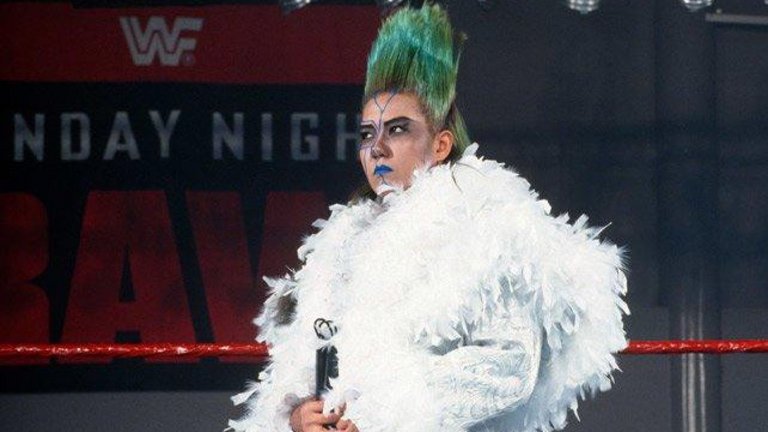
In all cases the results would likely be considered mild surprises as the three newcomers voted in, Lizmark (Juan Banos Sr.), El Satanico (Daniel Lopez) and Bull Nakano (Keiko Nakano) have been on the ballot in the past, and in previous elections, none came close to being voted in.
Also added, largely due to being overlooked in the past, are Mexican wrestling legends Black Shadow (Alejandro Cruz) and the most famous trainer of wrestlers in Mexico, Diablo Velasco (Cuauhtemoc Velasco).
As part of International Fight Week, the UFC will induct their latest class into their Hall of Fame, a class that includes a current WWE star and a man that helped launch the organization in 1993.
Follow along with our live coverage starting at 10 PM Eastern/7 PM Pacific.
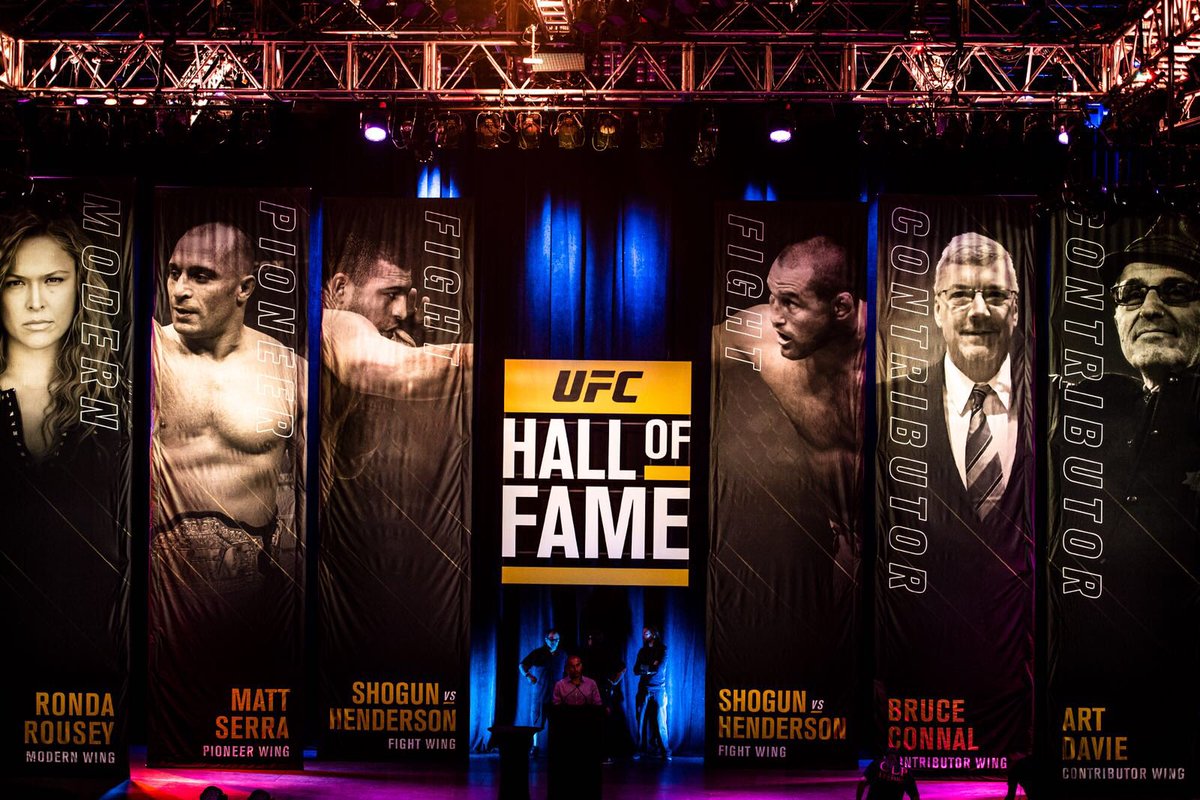
This year’s class includes:
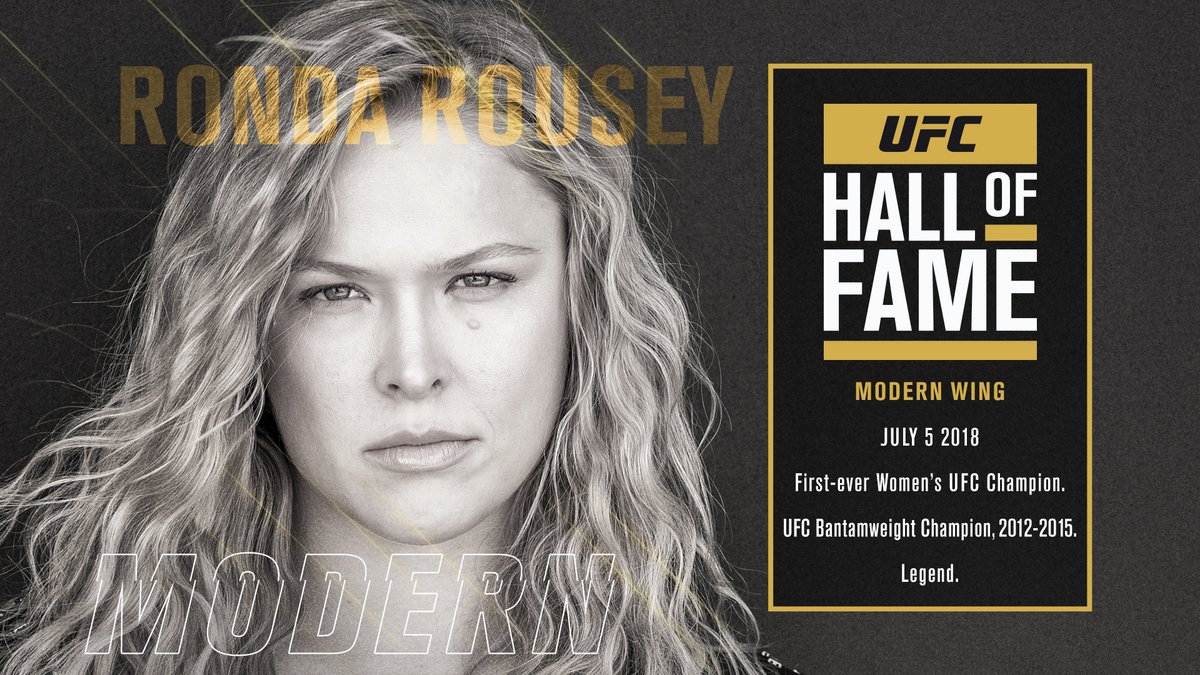
Ronda Rousey (Modern Wing): The former UFC women’s bantamweight champion heads up the class. Now firmly entrenched in WWE, Rousey has essentially retired from fighting after becoming one of its most recognizable faces, male or female.
Matt Serra (Pioneer Wing): Now seen on Dana White’s Lookin’ For a Fight and heard on UFC Unfiltered, the Serra-Longo team founder pulled off one of the biggest upsets ever when he knocked out Georges St-Pierre for the welterweight title in April 2007.
Art Davie (Contributors Wing): One of the driving forces behind the founding of the UFC, Davie co-owned the group from UFC 1 through UFC. He wrote a book about everything that went into the first event and still is looking for his big thing today.
Bruce Connal (Contributors Wing): While unknown to the majority of MMA fans, Connal was a key to how the sport was presented as the longtime producer of the televised product.
Shogun Rua vs. Dan Henderson I (Fights): In one of the best fights in UFC history, the first meeting between Shogun and Henderson took place at UFC 139 in November 2011.
**********
John Anik has the hosting duties tonight and he welcomes us after a nice video package highlighting all the nominees. The female who narrated it sounded familiar…..she may have done something similar for WWE.
Shogun Rua vs. Dan Henderson I (Fights Wing)
First up is the Shogun-Henderson fight from November 19, 2011 which, amazingly enough, I’ve yet to see as I was actually watching the free Bellator show that night, which had a fight of the year candidate as well with Eddie Alvarez and Michael Chandler. From the highlights, I can see why this fight is being inducted. Rafael Dos Anjos was funny in his comments saying he knew watching it that he wasn’t getting a fight of the night bonus that he thought he had wrapped up. Also commenting a lot about the fight was Jimmy Smith, who was actually commentating the Bellator fight that I watched that night.
Shogun wasn’t in attendance but he gave a taped acceptance speech. He will almost assuredly get inducted as a fighter when he retires but he’s still very active and, in fact, on a winning streak going into a show in Hamburg that he’ll be headlining in 2 weeks.
Hendo was in attendance to accept his induction. It’s a very different vibe from the WWE HOF ceremony as it’s a small crowd and it’s a much more casual atmosphere. Henderson says that he had no idea that UFC event inducted fights into the Hall of Fame but he was happy to make a trip to Vegas. He said hearing “Made in America” gives him goosebumps and that this fight was the first time he walked out to that music, which became his signature song.
He said that after this fight, he never wanted to have another fight like that again. And, of course, UFC rematched them 3 years later and Henderson claims that fight was even tougher than the first one. Henderson won the rematch on a 3rd round KO after winning a unanimous decision in the first fight. He dedicated this to his wife and the fans.
Chis Weidman and Aljamain Sterling were interviewed backstage about the induction of their coach Matt Serra. They are both obviously proud but didn’t really have much to say honestly.
Bruce Connal (Contributors Wing)
Jon Anik gave a nice speech emphasizing how important Connal was to the UFC broadcast. It was very emotional and you can tell how personally affected by the premature death of the UFC producer. His wife Karen, along with his children, narrated the video which included photos of Cannal and his family from all over the world. His son Tyler continued the narration and he talked about travelling along with his father to NHL broadcasts prior to Connal starting with UFC. Connal produced every UFC PPV in the 2000s prior to his death as well as every UFC on FOX event during that time. They also aired clips of Connal talking in the headsets to the broadcasters.
His daughter Carly continued the narration. She talked about how Bruce produced every single UFC female title fight in history. His youngest son Trevor talked about how his Dad was his best friend and that his Dad started when he was just 2 years old and he’s now 23. He walked us through how his Dad would’ve produced the McGregor-Aldo fight from the walkout to the fight ending in 13 seconds.
Mike Goldberg, now of Bellator, commented on Connal, which was a nice touch and not something you’d see on a WWE broadcast. Joe Rogan gave an emotional speech about Connal on the tape. You may recall Rogan breaking down when having to talk about Connal on air right after his death. He says that Connal will never be able to be replaced and broke up again. At the end of the video piece, it closed with Connal himself saying “You nailed it”. The Connal family appeared in person to accept the induction on his behalf.
Tyler Connal gave the acceptance speech. He said his two passions were television in family. His father Scotty was also a broadcaster for ESPN, when they launched. Connal was the producer of NHL on ESPN prior to being hired by UFC. He said he never lost his excitement for the UFC, from Tito Ortiz in the beginning to Conor McGregor, Ronda Rousey and Max Holloway today. He said his Dad was most proud of the opening shot when the main event fighter walks out for his fight. Mike Goldberg was show in the crowd as well as Tito Ortiz during the speech, which closed with a standing ovation.
Matt Serra (Pioneer Wing)
Ray Longo was out first to give a speech about Serra. He told a funny story about Serra cracking him up prior to his UFC debut while he was……”going #2″. He talked about how after going 4-4 to start his UFC career, he agreed to compete on season 4 of The Ultimate Fighter because it had a guaranteed title shot to the winner. Of course, he went on to win the season and the title in the biggest upset in UFC history, at least until Holly Holm beat Ronda Rousey in 2016. He said that Serra’s title win sent the message to never stop believing in yourself and to always make the most of your opportunities and that Chris Weidman followed up on that by beating Anderson Silva for the middleweight title. This led into a video package about Serra’s career.
Tons of people appeared in the video package including GSP, Matt Hughes, Daniel Cormier, Din Thomas, Sean Shelby, Brian Stann and Jimmy Smith. They went on to talk about his current show “Looking for a Fight” that he stars in with Dana White and how he’s continuing to contribute to this day with his coaching.
Serra came out to the Rocky music. He sounds a lot like Bully Ray. It took less than a minute for Serra to curse, which is probably good for him. Serra mocked Din Thomas, who was in the crowd. This was basically just Serra doing stand-up comedy and it was pretty entertaining. He got serious when talking about Renzo Gracie, his jiu-jitsu teacher. He said that Renzo gave him the confidence to win his first tournament, basically saying that if he finished second place, he was just the first loser.
He put over Longo, saying he never would’ve won his season of TUF, let alone the title, if it weren’t for his coaching. He made him believe that he could knock out GSP and he’s now tried to carry that on to his students. He also talked about his wife Anne. He was living in a studio apartment when he met her, so he knew she wasn’t a gold digger. She’s the Adrian to his Rocky but unlike the movies, she didn’t become a bitch (his words). In closing, he said to listen to Mr Serra because you never know where your fists will take you. Very entertaining speech.
Dana White interviewed backstage and they announce that Dana White wil be inducting Ronda Rousey later tonight. White said the fighters get to pick who inducts them and he’s honored to have been chosen by Rousey. He said that all of the money that the women in MMA and boxing are making today is due to what Rousey did. He talked about the Shogun-Rua fight, saying it was one of the best fights ever and then talked about Serra and an incident last night at the Red Rock casino where Serra took down a drunk patron. The video of that incident has gone viral in the last 24 hours.
Art Davie (Contributors Wing)
Sean Wheelock was out to induct Davie. Wheelock was the co-author of the book “Is this Legal: The Inside Story of the First UFC from The Man Who Created It”. He talked about the mindset Davie had when organizing the first-ever UFC, wanting to match up individuals from different fighting disciplines to see who would emerge as the premier fighter. He said that Davie would never claim to have created MMA but when you look at what he did, he actually did inadvertently create the sport.
The video package include images of mock-up drawings of the first Octagon. Various MMA media members talked about how Davie recognized the showmanship that was needed to make this work and how he personally recruited several future hall of famers into the sport. Don Frye was also featured heavily on the package. John McCarthy was shown in the crowd. Heavy Bellator presence here tonight.
Davie said that he was told to say that being inducted into the UFC Hall of Fame is the biggest accomplishment in our sport. He said it’s special that he’s being inducted during the year of the 25th anniversary of the first UFC. He said he came up with the idea in 1989 to mix up fighters from different styles to see which fighting style was the best. He admitted to being a complete jerk in the first 3 years. He said that even with the idea, he needed Rorion Gracie in order to get this thing off the ground. Davie said he convinced Gracie that if one of his fighters entered the tournament, he would prove that Gracie jiu-jitsu was the premier fighting style in the world.
He revealed that he didn’t sign the contract with SEG until 2 hours before the first event. He also talked about how he pitched the idea of the first UFC to ESPN back in 1993 and joked how they could’ve picked it up for a lot less than $300 million a year if they’d got in then. He listed off the competitors in the first tournament, putting over Royce Gracie specifically. He said that even though they were mocked by saying that these weren’t the best fighters in the world, they were the only guys with the balls to show up and prove it. He said that he, Rorion Gracie and Bob Meyrowitz were the original creators of UFC but put over some of the others who helped along the way. He talked about Campbell McLaren and how he hired commentators like Jeff Blatnik, Jim Brown and Joe Rogan.
He said that Blatnik as well as Big John McCarthy knew way back then which direction the UFC needed to go and spearheaded the changes needed to take the sport to the next level. Davie actually gave him the nickname “Big John” because McCarthy used to actually pick him up off the ground. He said that the first UFC was incredible because it exposed boxers as being one dimensional and introduced ground fighting to American audiences. He said that after the first UFC, people were calling him to enter the next tournament and he could stop cold-calling gyms looking for fighters. He said that all of his ideas weren’t great because at one point he came up with the idea to put John Wayne Bobbitt into a UFC but John McCarthy talked him out of it. He then compared this to Dana White signing CM Punk.
He said that after awhile he didn’t like working for UFC anymore because he wasn’t the promoter anymore and he didn’t like answering to people who had just joined the company. He talked about being asked to leave the company because he was going to start a rival company. He said that he had no regrets when UFC was sold for 4.2 billion dollars because he did what he could with the company and then left and gave credit to Dana and the Fertittas for taking UFC to where it got to. He said he’s recently come to realize that he didn’t create the first UFC, UFC created him and every fighter who ever became a star from Royce Grace to Ronda Rousey and everyone in between.
He thanked the 1,793 fighters who have stepped foot into an Octagon over the years. He also thanked all of the employees who’ve worked for the company over the years. And he thanked the fans who supported the UFC over the years, despite politicians and media trying to kill it. He said that his “baby” grew up and conquered the f***ing world. Speech was a little long but when you created the UFC, I guess you’re entitled to that.
Ronda Rousey (Modern Wing)
A video package aired prior to the induction speech putting over how important Rousey was to the sport with virtually every big star, both man and woman, in the last several years commenting including Jon Jones, Rashad Evans, Miesha Tate, Chuck Liddell and many others. Some of the current women stars talked about how she inspired them to get into the sport. Jon Anik talked about several numbers, emphasizing 90, which is the number of female fighters currently under contract to UFC and they all owe Ronda Rousey for it.
Dana White gave the induction speech. He said that in 18 years, he’s learned a lot of things but most importantly “never say never”. He admitted that Rousey changed his mind about allowing women to fight in the UFC and in doing so, she changed the world. He said he was shocked at the backlash when they signed Rousey and then announced that she would headline the show over Dan Henderson and Lyoto Machida. He said she proved that not only could women fight but that they could sell tickets and PPVs. He said that Rousey launched a women’s revolution, empowering women to fight for what they want and never take no for an answer. He said that out of all the big stars they’ve had over the years, only Ronda Rousey transcended the sport and became a cultural icon. He surprisingly mentioned that she’s now making millions doing professional wrestling.
Another video package again emphasized the importance of everything that Rousey did, dating back to her days in judo and her early MMA fights. They must not have been able to get the rights for “Bad Reputation” as they had a sound-alike song playing during the video package. Jon Anik said her run of 6 consecutive title defences, all by finish, will not be duplicated any time soon. Paige VanZant said that when she saw Ronda in the UFC, she realized she could do this as a career. Rose Namajunas and Joanna Jedrzejczyk said similar things. Joe Rogan called her the biggest pioneer in the history of MMA.
Rousey was accomponied by her husband Travis Browne and did come out to the Bad Reputation song. She seemed overwhelmed by everything at the start of her speech. She thanked “you”, meaning the UFC fans. She said that for 10 years, she was at the pinnacle of athletic achievment and no one cared and it was only when she came into MMA and people cared, that it made a difference. She talked about what an honor it is to be the first woman inducted into the Hall of Fame and hopes to be the first of many. She said that “we changed what it means to fight like a girl”.
She said that the fans have inspired her and that everything that fans claim she’s done for them, they’ve done for her tenfold. She gave a very personal speech to her fans encouraging them to not believe anything negative people say about them. She said it was an honor to be able to go through this journey with everyone and this was only possible because they were all watching.
The speech was short but incredibly humble, moving and personal and not at all what you would normally expect from Rousey. This was a great 2 hour show and well worth watching if you’ve just been reading along.
The show closed with all of the inductees coming out onto the stage for a curtain call.
Former UFC star and current WWE star Ronda Rousey will be inducted into the UFC Hall of Fame during International Fight Week in July.
The announcement was made during the UFC 225 broadcast. She will be inducted into the “modern” wing, and joins Matt Serra, Art Davie, Bruce Connal, and the Dan Henderson/Shogun Rua fight from UFC 139 as this year’s Hall of Fame inductees. The ceremony ttakes place on July 5th at the UFC Fan Expo in Las Vegas and will air on UFC Fight Pass.
Rousey won the Strikeforce bantamweight championship in her fifth pro fight and came into the UFC as champion, defending the newly-christened UFC women’s bantamweight title and successfully defending it in the first ever female fight for the promotion against Liz Carmouche in the main event of UFC 158 in February 2013.
She went on to defend the belt five more times, winning all of them by stoppage, before finally dropping her title to Holly Holm at UFC 193 in Melbourne, Australia. Along the way, she became one of the biggest PPV draws in the sport, drawing over a million PPV buys on 3 separate occasions.
She returned in December 2016 and lost to current champion Amanda Nunes and has not fought since. She signed with WWE late last year and made her debut at WrestleMania 34 in New Orleans, LA. She is set to challenge WWE Raw women’s champion Nia Jax at Money In The Bank in her first singles match for the company.
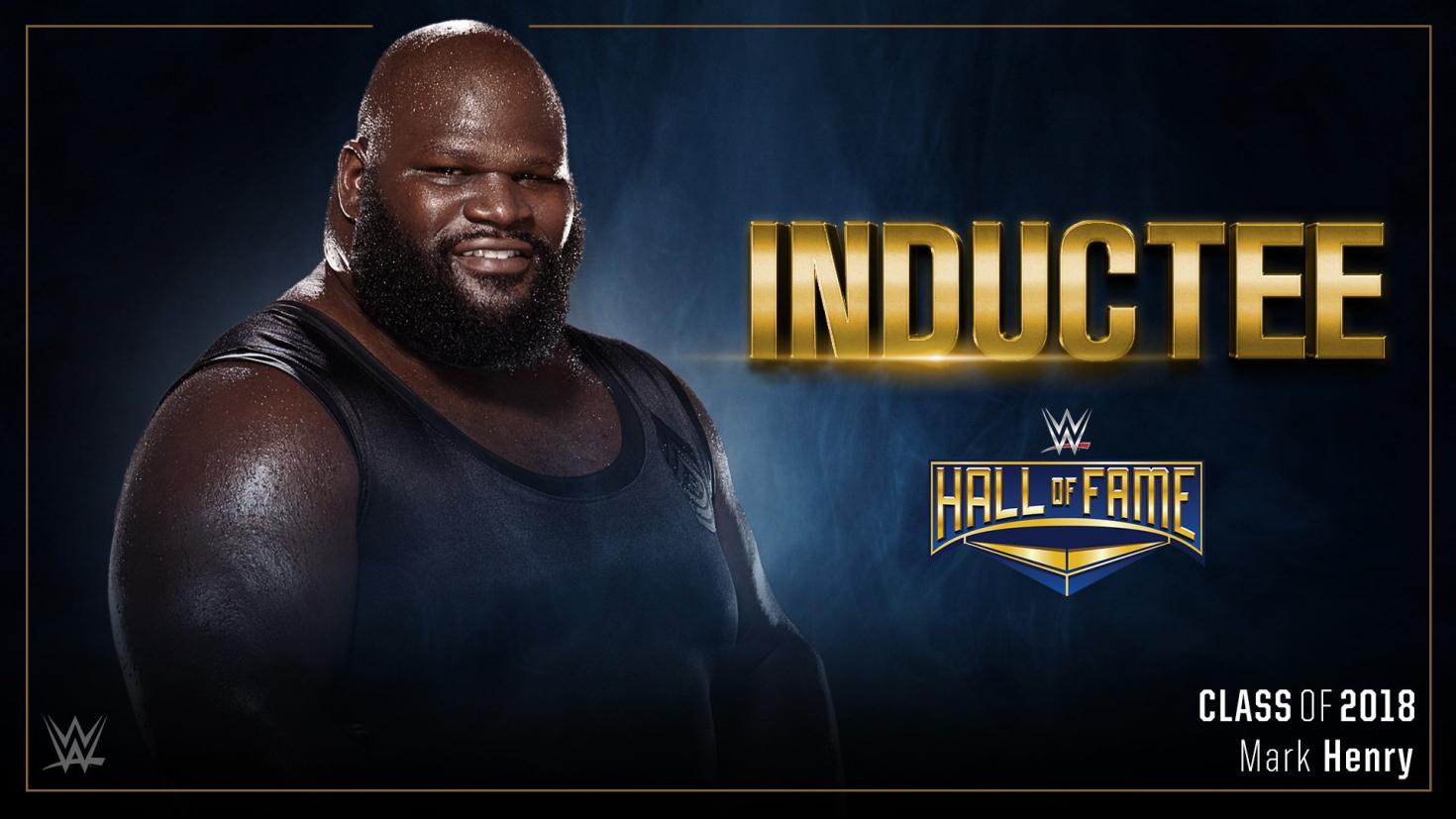
“It was a little while back. I was in Los Angeles with the powers that be,” Henry told USA Today about getting the news. “it was just an overwhelming feeling, you know? My face got hot. A couple of tears fell, and you felt like, instantly, all of the pain and torment that you put your body through, the sacrifices that you made — they were worth it. It paid it all off.”
Henry signed a 10-year contract with WWE after competing in his second Olympics as a weightlifter in 1996. His first televised match was against Jerry Lawler at In Your House: Mind Games, and he went on to become a member of the Nation of Domination stable, have a stint in OVW in the early 2000s, and wrestle The Undertaker at WrestleMania 22 in 2006.
The most successful run of Henry’s career was with his “Hall of Pain” gimmick on SmackDown in 2011. He won the World Heavyweight title in September of that year before dropping it three months later. In 2013, he worked a program with John Cena that started with his fake retirement promo and ended with a WWE Championship match at Money in the Bank.
Henry hasn’t wrestled since taking part in the Andre the Giant Memorial Battle Royal at WrestleMania last year. He currently works as a talent scout for WWE.
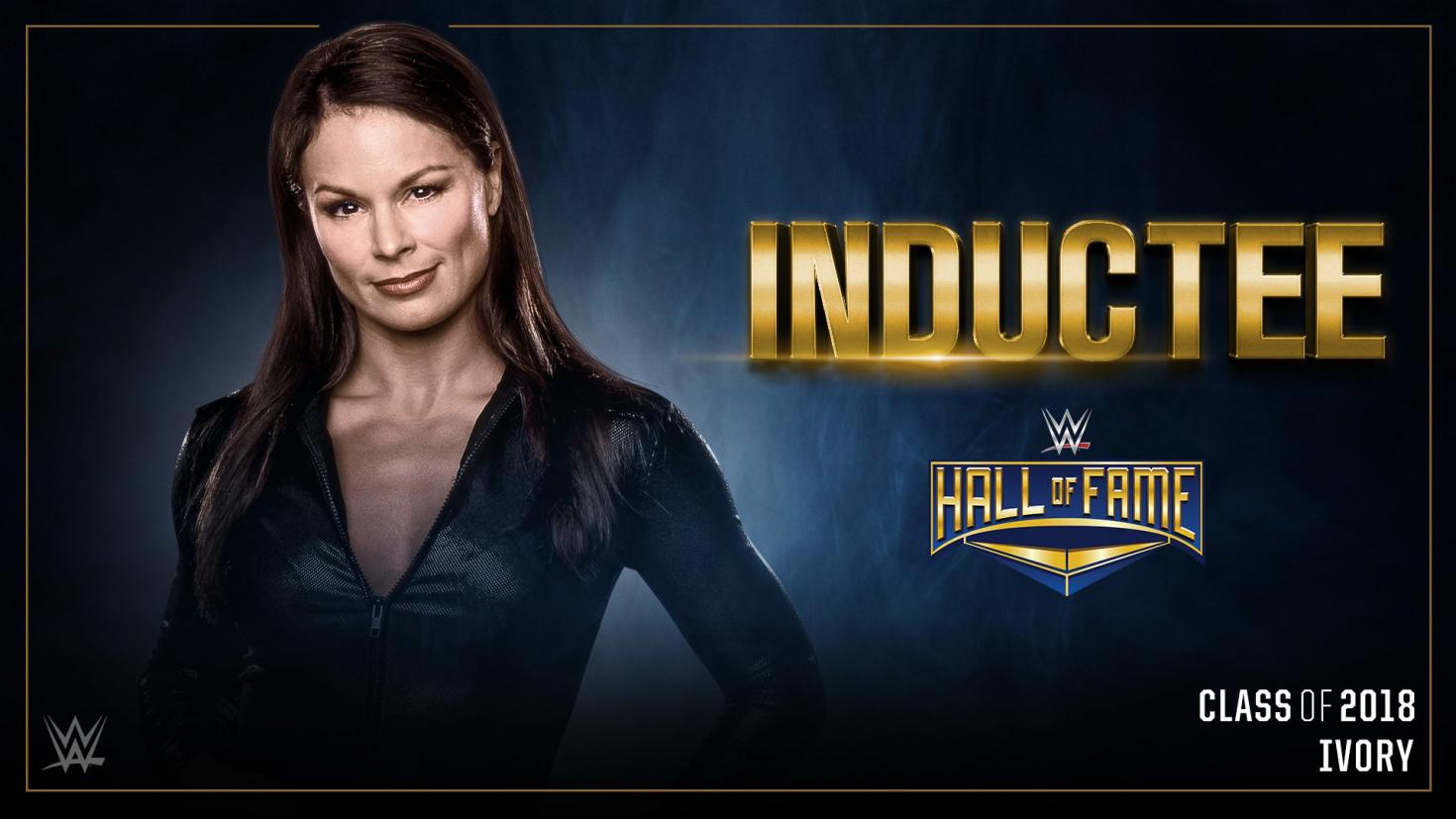
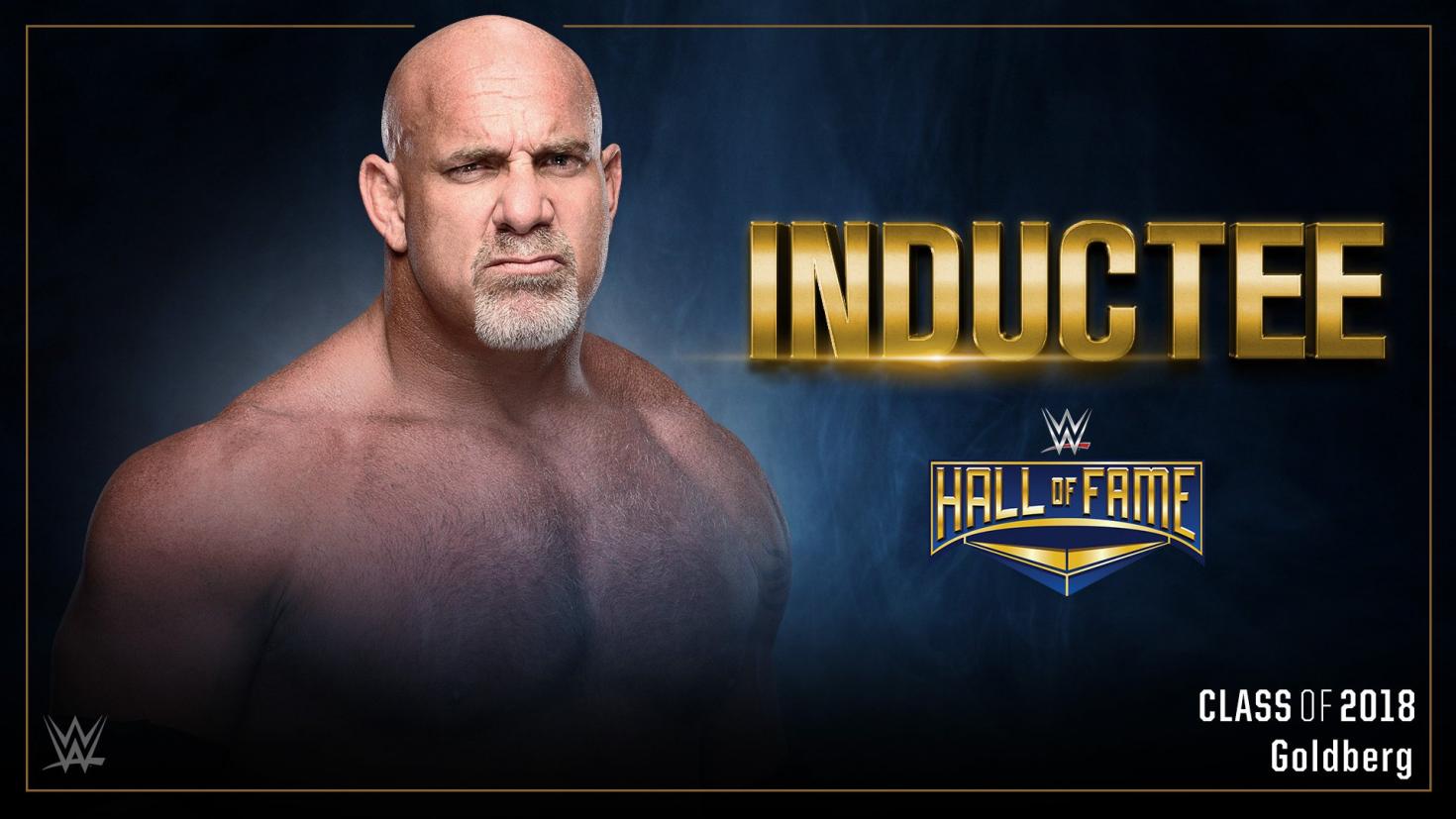
Goldberg, The Dudley Boyz, Ivory, Jeff Jarrett, Hillbilly Jim, and Henry have been announced for the 2018 Hall of Fame class, along with celebrity inductee Kid Rock and Warrior Award recipient Jarrius “JJ” Robertson. The induction ceremony will take place at the Smoothie King Center on April 6th.
As we get further into WrestleMania season, WWE continues to round out the list for this year’s Hall of Fame class.
WWE announced via espnW today that Lisa “Ivory” Moretti would be inducted into the Hall of Fame on April 6th in New Orleans. She’s the third act to be announced for the 2018 class, joining Goldberg and The Dudley Boyz.
“[This Hall of Fame recognition] means that it’s a full circle in your career, in your wrestling chapter,” Ivory told espnW. “It’s great bragging rights for your family that have seen you go through the eras and I also feel like it’s an awesome tribute to the women in wrestling as a whole.”
Ivory started out her career in the 1980s as “Tina Ferrari” with GLOW. She joined WWE during the Attitude Era and departed the company in 2005. She held the Women’s Championship three times, with her final reign ending as she dropped the title to Chyna at WrestleMania 17.
Beth Phoenix, Jacqueline Moore, Madusa, Lita, and Trish Stratus have been the women’s wrestlers to be inducted into the HOF over the last five years.
“Women who decide to wrestle are a special type of women. We are tomboys, we are women that can hang in a locker room. I am just grateful that there are outlets for that,” Ivory said in her espnW interview. “It’s not about having a certain body type and looking picture perfect beautiful. It’s about having the drive and some kind of wacky attraction you have to the physicality, the test of learning how to wrestle and being [able] to do it believably. It’s not easy theater to do. You can watch plenty of wrestling matches where the performers are not buying it. And it makes it boring for you to watch. There is a huge testament to the talent of the people who are engaging the fan or viewer.”
Goldberg, The Dudleyz, and Ivory were all included in the list of HOF inductees that Brad Shepard tweeted out in December. Bam Bam Bigelow and Kid Rock (as a celebrity inductee) are the two remaining names on it.
Confirming what had been expected, WWE announced this morning that Goldberg will be inducted into their Hall of Fame over WrestleMania weekend in New Orleans.
WWE revealed the news via ESPN. “At the end of the day, any business, any venture that you embark upon, you want some type of acknowledgement,” Goldberg told ESPN.com. “You always try to make it to a top. There’s no reason to do anything unless you want to be the best.”
Goldberg returned to WWE television for the first time in nearly 13 years towards the end of 2016. His in-ring return came after he was chosen to be the cover star of that year’s video game, and things went better for Goldberg this time around than they did during his initial stint with the company in 2003 and 2004. He squashed Brock Lesnar in his first match back, then their program continued until WrestleMania as Goldberg dropped the Universal Championship to him.
Goldberg cut a post-show promo on the Raw after WrestleMania where he didn’t close the door on stepping back into the ring. Before his WWE stints, he was the last true superstar that WCW produced.
Dave Meltzer had confirmed in the most recent edition of the Wrestling Observer Newsletter that Goldberg would be the headliner for this year’s Hall of Fame class and wrote that the announcement was expected to be made soon. Goldberg being inducted into the Hall of Fame this year was first reported by freelance journalist Brad Shepard on Twitter.
The 2018 Hall of Fame induction ceremony will take place at the Smoothie King Center on Friday, April 6th.