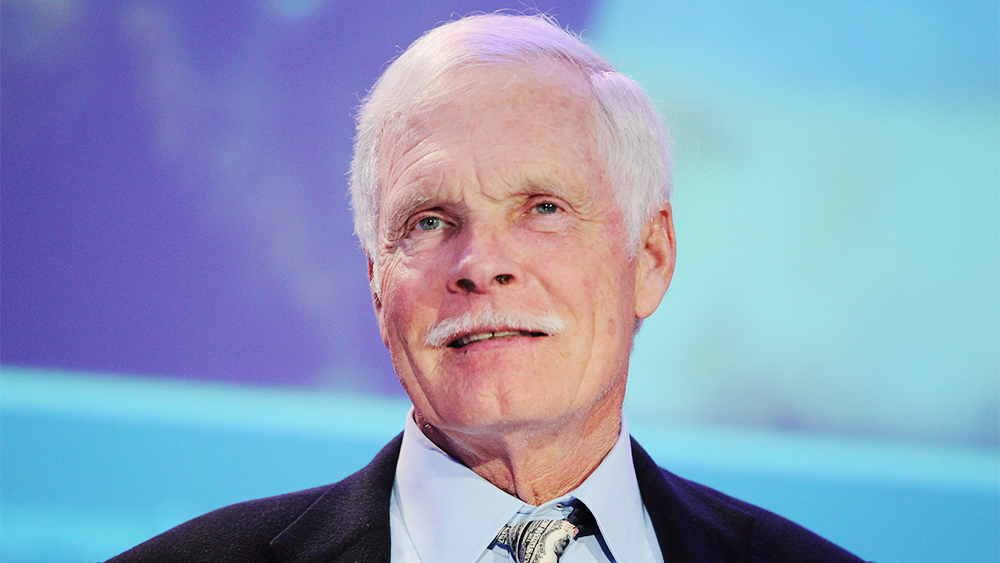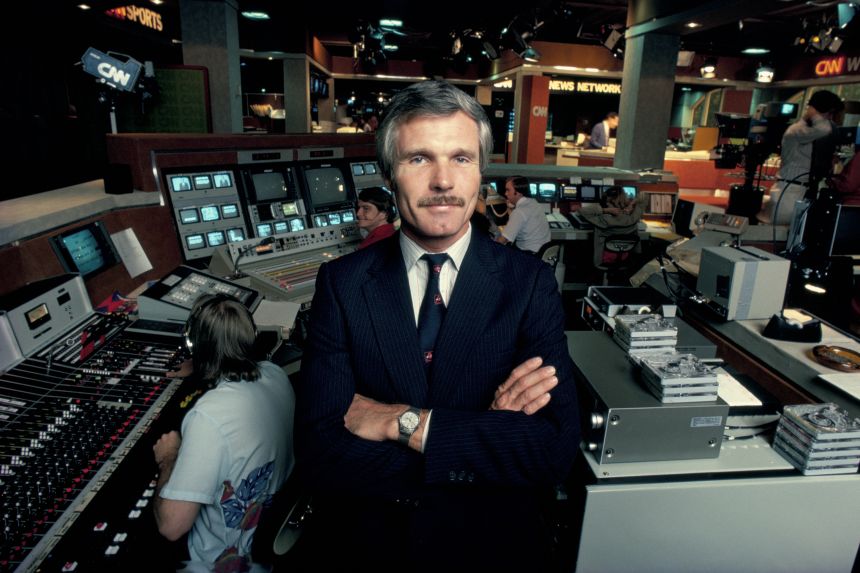
Dave Meltzer in 2018: Ted Turner ‘changed the face and history’ of wrestling

If it hadn’t been for Ted Turner, wrestling today would look very different.

Turner’s passing at 87 years old was announced on Wednesday.

In 2018, Turner revealed during an interview with CBS that he was living with Lewy body dementia, a condition similar to Alzheimer’s. This prompted our own Dave Meltzer to write about Turner’s impact on the wrestling industry in the October 8, 2018 edition of the Wrestling Observer Newsletter, available in our archives for subscribers.

Dave Meltzer on Ted Turner’s impact on pro wrestling history

Meltzer wrote:

“Turner is obviously a key figure in the shaping of pro wrestling history, and easily the second or third most important player in the U.S. over the past 50 years.

While from a hands-on perspective he did little, but from a big picture perspective, his decisions changed the face and history of the industry more than all but one person, Vince McMahon, in the U.S. in the last 50 years.”

In the article, Meltzer traced Turner’s wrestling influence back to 1972, when his Atlanta station WTCG picked up Georgia Championship Wrestling, through the infamous “Black Saturday” in 1984 and his purchase of Jim Crockett Promotions in 1988.

Dave Meltzer on Ted Turner keeping WCW alive

One of Turner’s greatest contributions to wrestling was his refusal to listen to executives in his company who were concerned with the financial losses the former JCP was incurring. Turner said that wrestling helped build his network, that the industry was cyclical, and that he didn’t want people bringing up the idea of closing WCW down again.

Meltzer wrote:

“There were times between 1989 and 1994 when the Turner executives would note the wrestling losses and want to close down the company. At one such meeting, where basically everyone of the key execs underneath were I agreement to shut down the wrestling company due to losses, Turner, at a meeting pointed out that wrestling has been a key part of TBS, had built the station, that it was a cyclical business and to never bring up closing down the company again.

After the Time Warner and AOL mergers, however, Turner lacked the ability to save WCW.

Meltzer continued:

“As the years went on, with a Time Warner merger and an AOL merger, Turner lost power and, that, combined with the $62 million in losses in 2000 and nosediving popularity, he could no longer save the company that had gone off the rails.”

The full edition of the October 8, 2018 Wrestling Observer Newsletter is available in our archives for subscribers.
Former WCW boss Ted Turner passes away at 87

Ted Turner, the business icon who helped shape American media as we know it, has passed away at 87 years old.

His death was announced on Wednesday via a news release from Turner Enterprises. CNN, which Turner founded, credited him for being a media maverick and philanthropist who revolutionized television news by introducing the 24-hour cable channel.

Turner is also one of the most important figures in professional wrestling history. He first aired wrestling on TV in Atlanta in the early 1970s, with Turner later purchasing Jim Crockett Promotions and bringing it under the Turner Broadcasting umbrella. Turner was always credited for seeing the value in wrestling programming while other media executives were prone to writing it off. While largely hands-off on the actual product, he allowed WCW to grow on TBS/TNT to a point where it overtook WWE for a period of time during the Monday Night Wars. WCW remained on those stations until 2001, when the promotion closed its doors amid the ill-fated AOL/Time Warner merger. Turner was no longer the head of Turner Broadcasting at that time.

During the 1990s, Turner was frequently mentioned on WWE television with Vince McMahon choosing to portray himself as the underdog going against one of the most well-known businessmen in the world in Turner. WWE aired “Billionaire Ted” skits where a parody of Turner did not know anything about “rasslin” and just wanted to rip off WWE and push aging former stars like Hulk Hogan and Randy Savage.

Pro wrestling on TBS/TNT is a tradition that was revived in 2019 with AEW launching its weekly programming.

Turner’s death comes nearly eight years after he disclosed that he was battling Lewy body dementia, which causes a progressive decline in mental abilities. It is the most common form of dementia aside from Alzheimer’s disease.

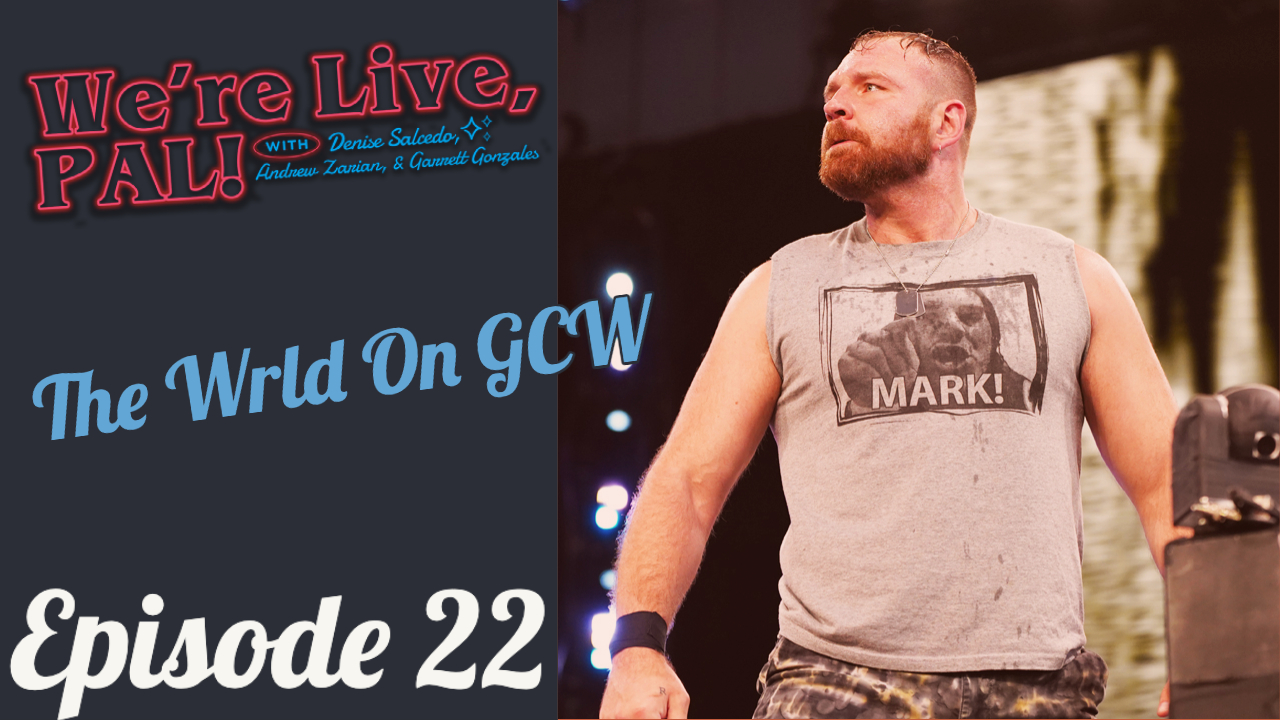
We’re Live, Pal: Brett Lauderdale talks The Wrld On GCW

It’s a brand new episode of We’re Live, Pal.

Joining Andrew Zarian, Denise Salcedo and I for the first 20 minutes is GCW head honcho Brett Lauderdale who talks about Sunday’s The Wrld On GCW pay-per-view.

Andrew, Denise and I then talk about the Cody Rhodes story that was all over the internet yesterday as well as the Toronto Star article on AEW’s “self-mutilation” before getting to our top performers of the last two weeks.

Enjoy the latest We’re Live, Pal in podcast form or YouTube.

Right click save as

Ted Turner reveals Lewy body dementia diagnosis

Ted Turner recently revealed that he is suffering from Lewy body dementia.

Turner, 79, talked to Ted Koppel during an episode of CBS Sunday Morning that will air on 9/30. Deadline reported on Turner’s comments regarding his diagnosis.

“It’s a mild case of what people have as Alzheimer’s,” Turner reportedly said. “It’s similar to that. But not nearly as bad. Alzheimer’s is fatal. Thank goodness I don’t have that.” It was reported at one point during the interview, Turner paused and was unable to remember what his disease was.

Turner was responsible for bringing pro wrestling to TBS the early 1970s. Turner Broadcasting eventually purchased Jim Crockett Promotions in 1988, which would later become World Championship Wrestling. It was Turner who approved a two hour block of wrestling, which would go on to be WCW Nitro, to square off against WWE Raw head to head on Monday nights in the fall of 1995. The two television shows battled for ratings supremacy for several years.

After Time Warner, the parent company of Turner Broadcasting merged with AOL in 2001, Turner found himself with diminished power within the conglomerate. After being battered in the ratings for several years, along with massive financial losses, WCW Nitro and sister show Thunder were cancelled in March of 2001, with WCW being sold to WWE shortly after. Turner did not attempt to get back into wrestling after WCW’s demise.