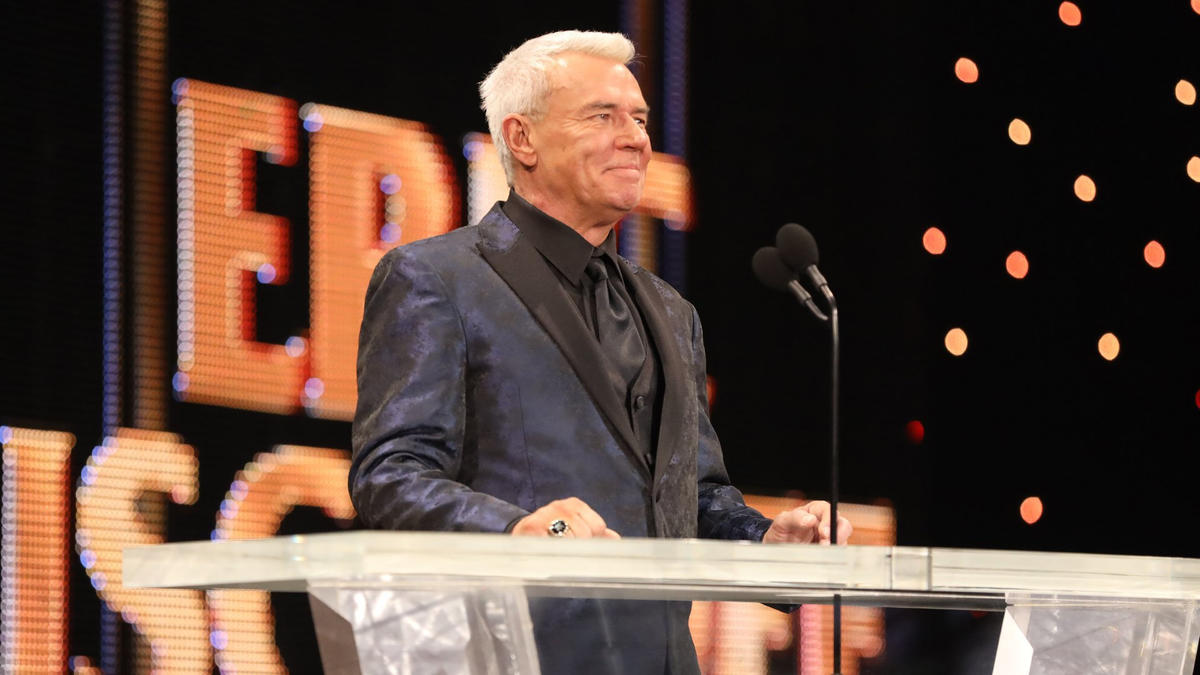
Eric Bischoff remembers Ted Turner: ‘He changed my life’

If it wasn’t for Ted Turner, Eric Bischoff doesn’t know what a huge portion of his life would have looked like.

Bischoff made an appearance on The Ariel Helwani Show today following the news that Turner has passed away at 87 years old. Reflecting on the time where Turner was his boss in WCW, Bischoff credited the business mogul for being a visionary who allowed so many people to live their dreams.

“He was indeed a great guy. I don’t want to make it sound — because I wasn’t close to Ted, we didn’t go out and have steak dinner together or anything like that. But I did have a chance through working with him to get to know who he was and watching how he operated,” Bischoff said. “Look, he changed my life. He changed the lives of my children. None of us would be where we are today — I would not be involved with Real American Freestyle were it not for the opportunities that Ted Turner provided to me. And I’m just one guy. Think about all of the people that worked at Turner Broadcasting. The thousands of people who, just like me, got opportunities and got to grow and got to pursue their careers because of the entrepreneurial, groundbreaking vision that Ted Turner had when it came to the media landscape. He was the media version of Elon Musk in his time.”

Bischoff said Turner had a great rapport with employees. Despite his wealth, Turner drove a Ford Escort and was happy to interact with everyone, not just other executives.

When it comes to wrestling, Bischoff said Turner was “absolutely hands-off” and did not interfere in what was going on at WCW. But Turner would always call Bischoff when the weekly ratings came out and was especially animated when WCW was beating WWE.

Bischoff believes Turner was drawn to wrestling programming because of how inexpensive it was, and it also fit into how Turner viewed America. Bischoff described WCW, The Andy Griffith Show, and Atlanta Braves baseball games as being the three pillars that allowed Turner Broadcasting to grow into what it ultimately became.

“It fit into that middle America mentality and relationship that Ted had,” Bischoff said. “He grew up in the South. He knew that there were a lot of people that just culturally loved pro wrestling. Just like they loved Andy in Mayberry and they loved the Atlanta Braves. And those three programs really became the pillars, if you go back and look at it, at the Superstation that went on to become Turner Network Television.”

Describing his former boss as a “fighter,” Bischoff said Turner enjoyed the “Billionaire Ted” parodies that WWE aired in the 1990s. Turner saw the skits as evidence of how much he was getting under Vince McMahon’s skin.

Turner’s death comes nearly eight years after he disclosed his battle with Lewy body dementia. When asked how Turner should be remembered by wrestling fans, Bischoff said he hopes people appreciate Turner as one of the great media moguls and entrepreneurs of our time.
Former WCW boss Ted Turner passes away at 87

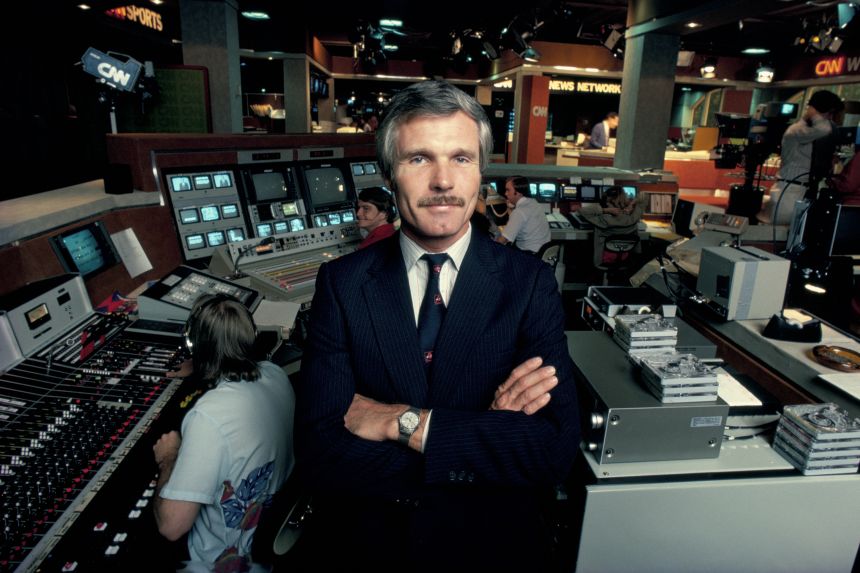
Ted Turner, the business icon who helped shape American media as we know it, has passed away at 87 years old.

His death was announced on Wednesday via a news release from Turner Enterprises. CNN, which Turner founded, credited him for being a media maverick and philanthropist who revolutionized television news by introducing the 24-hour cable channel.

Turner is also one of the most important figures in professional wrestling history. He first aired wrestling on TV in Atlanta in the early 1970s, with Turner later purchasing Jim Crockett Promotions and bringing it under the Turner Broadcasting umbrella. Turner was always credited for seeing the value in wrestling programming while other media executives were prone to writing it off. While largely hands-off on the actual product, he allowed WCW to grow on TBS/TNT to a point where it overtook WWE for a period of time during the Monday Night Wars. WCW remained on those stations until 2001, when the promotion closed its doors amid the ill-fated AOL/Time Warner merger. Turner was no longer the head of Turner Broadcasting at that time.

During the 1990s, Turner was frequently mentioned on WWE television with Vince McMahon choosing to portray himself as the underdog going against one of the most well-known businessmen in the world in Turner. WWE aired “Billionaire Ted” skits where a parody of Turner did not know anything about “rasslin” and just wanted to rip off WWE and push aging former stars like Hulk Hogan and Randy Savage.

Pro wrestling on TBS/TNT is a tradition that was revived in 2019 with AEW launching its weekly programming.

Turner’s death comes nearly eight years after he disclosed that he was battling Lewy body dementia, which causes a progressive decline in mental abilities. It is the most common form of dementia aside from Alzheimer’s disease.

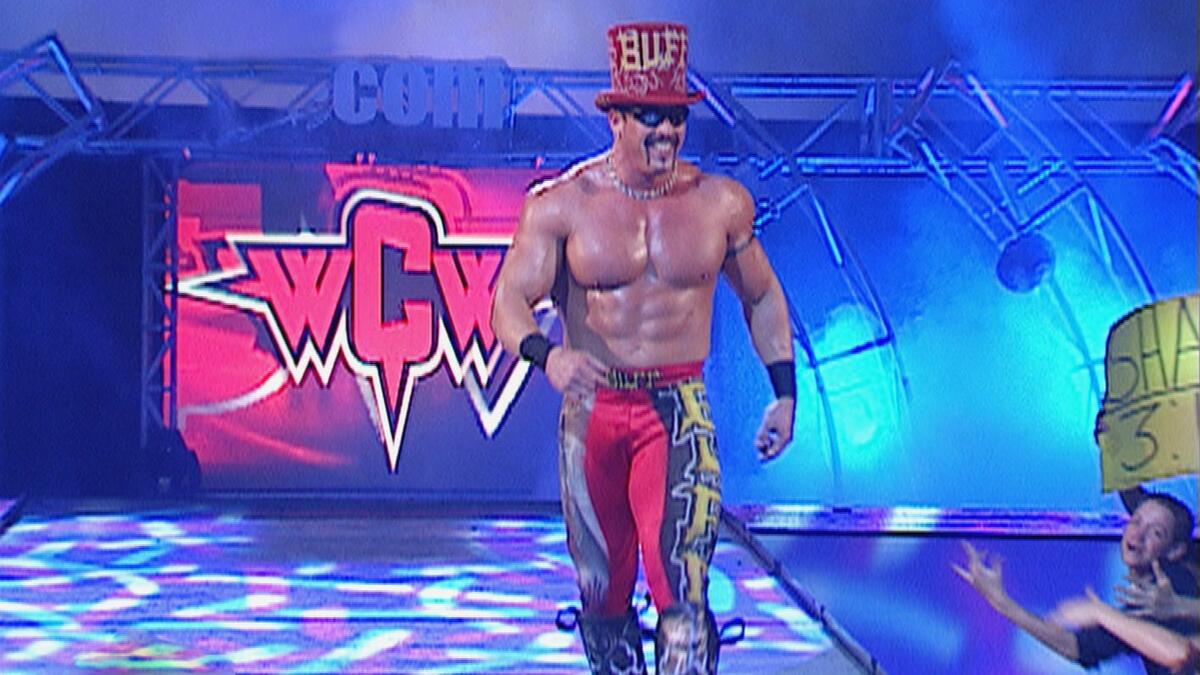
Buff Bagwell still hoping for one more match after leg amputation

Having one more match remains a goal for Buff Bagwell six months into his post-amputation life.

The former WCW star underwent a right leg amputation last July due to injuries stemming from a 2020 car accident. While losing a leg is devastating, the operation has improved Bagwell’s quality of life. He was miserable for years prior to the amputation because not having the ability to bend his knee made everything so difficult.

After his amputation, Bagwell stated that one of his goals was to get back into the ring for at least one more match. That is still something Bagwell wants to cross off his bucket list, but he isn’t going to force it. He’ll only wrestle again if he’s able to do so in a way that does not look “ugly.”

“I know I could wrestle again — another match or two,” Bagwell said on Insight with Chris Van Vliet. “But if I can’t do it where it’s [not] ugly, I’m not going to do it. And I’m not sure that’s possible. I don’t want it to be ugly. If it’s ugly at all, I’m not going to do it.”

One of the biggest hurdles for Bagwell would be climbing the steps to get into the ring. There’s no way for him to make that look good even with his $135,000 prosthetic leg. Still, Bagwell does hope to have another match and is going to start exploring the possibility in the next couple of months.

“That will be the first thing you got to conquer, is getting in, or sliding in and getting up fast. But again, if I can’t do those things without them being [ugly], I’m not going to do it. But I think I can. I think I can do it where it’s not ugly,” Bagwell said. “I just don’t know yet. So we’re definitely going to, in the next couple of months, I’m going to get in the ring and just see what I can do. But I really do think no matter what, I will do one match just because that’s one of my goals.”

Because Bagwell’s amputation was above the knee, he is more limited than he would have been otherwise. His prosthetic leg is unable to move in the same way that a human knee would.

Bagwell is now more than three years and five months sober. Through that sobriety journey, he feels like he’s found himself again and is back to being a good person. He credits his faith and his wife Stacy for making that transformation possible.

The 56-year-old Bagwell is planning a documentary titled “Still Buff” focused on his amputation recovery. He’s also documented his journey through videos on his YouTube channel. The latest milestone that Bagwell hit was being able to walk without the assistance of a cane.