Steve Austin clarifies his thoughts on CTE in pro wrestling

As far as Steve Austin is concerned, the best way to deal with CTE in wrestling is to avoid getting concussions in the first place. 

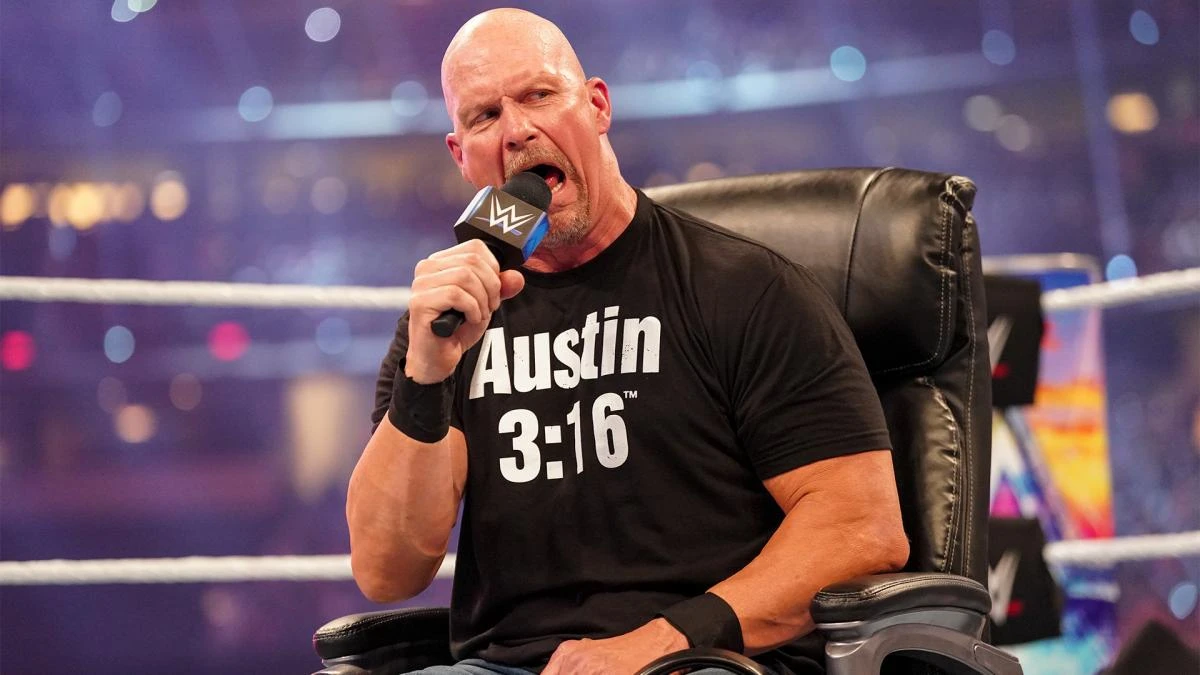
The subject came up as Austin was talking to Dave LaGreca and Bully Ray on the Busted Open Podcast. Ray asked Austin about WWE Unreal, a show Austin has said he’s a fan of, and asked how Austin would deal with having cameras put in front of him backstage. 

“I remember they were doing that documentary one time, and they were talking about CTE at the time, and this was, Jesus, 15, 20 years ago,” Austin said. “I think you and me had this conversation on a telephone a long time ago … and I said that ‘Hey man, I don’t think, if you work in the business of pro wrestling, you should have a whole lot of concussions, and maybe you’re doing it wrong.” 

“I was thinking from like a classical Ric Flair-type style of wrestling, that you shouldn’t be having a bunch of things,” Austin continued. “And man all of a sudden … I just remember my Twitter timeline started blowing up and people got mad as hell at me and say ‘Oh, you don’t believe in CTE?’ And I was like, god dang. I said, ‘No, I believe in CTE, just not as it really kind of applies technically to pro wrestling.’”

“Yeah, is CTE a real thing? Yeah, it is.”

Former wrestlers’ CTE lawsuit against WWE dismissed in court

The U.S. Court of Appeals for the Second Circuit dismissed an appeal by former wrestlers suing WWE for claiming the company didn’t protect them from repeated head injuries and concussions that could have resulted in CTE and other physical and mental health ailments.

In doing so, they affirmed the ruling by a Connecticut district court two years ago that the claims were either frivolous or filed after the statute of limitations expired and that WWE couldn’t have known concussions or head injuries caused CTE.

Several cases that began popping up in 2014 and 2015 around the country were eventually consolidated in Connecticut and involved well-known wrestlers both dead and alive including Billy Jack Haynes, Jimmy Snuka, Paul Orndorff, King Kong Bundy, Mr. Fuji, Viscera, and more. An issue raised is that the wrestlers in question worked around the world for different organizations and not just WWE so identifying what organization brain injuries might have occurred in would prove difficult.

The Second Circuit also dismissed additional related lawsuits against WWE because they were filed too late as well as dismissed lawyer Konstantine Kyros’ appeal of sanctions imposed by U.S. District judge Vanessa Bryant. In 2018, she ruled Kyros must pay WWE’s legal fees for the case and said he repeatedly failed to comply with court rules and orders. 

In a statement to the Associated Press, Kyros said the ruling was “utterly devoid of any original reasoning or engagement with the legal issues raised in the wrestlers’ appeal. In its conclusory assertions, the injured wrestlers find no justice having been literally denied a day in court. Per this mandate, wrestlers have no rights, no rights to bring a lawsuit, no rights to help from WWE for CTE & head injuries, no rights as misclassified employees, no rights to a jury, and ironically no right to even appeal!”

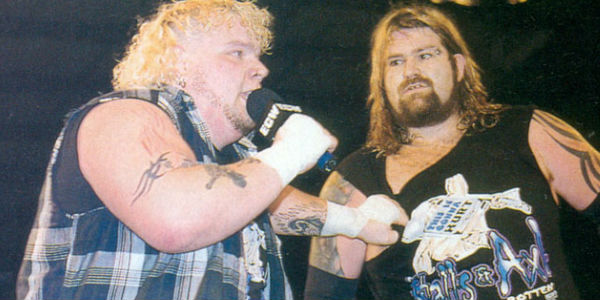
Jordan Parsons, Axl Rotten & Balls Mahoney diagnosed with CTE

Former Bellator fighter Jordan Parsons and 90s ECW stars Brian Knighton (Axl Rotten) and John Rechner (Balls Mahoney) were diagnosed with CTE based on brain examinations by Dr. Julia K. Kofler at the University of Pittsburgh Medical Center Presbyterian, who was in conjunction with Dr. Bennet Omalu, the forensic pathologist whose work was highlighted in the movie “Concussion.”

Omalu released the information to the Boston Globe on Thursday. He also reviewed Kofler’s diagnosis and endorsed her findings.

Konstantine Kyros, the lawyer involved with a class action lawsuit against WWE regarding concussions, was interviewed for the story saying he has no plans to sue Bellator. Parsons’ mother contacted Kyros about an examination of her son, who claimed that he got the brain examined to explore whether athletes in sports other than football, hockey, boxing, and wrestling were at risk of CTE.

“Out of the tragedy of Mr. Parsons’ death, I hope the results serve to warn and educate other athletes and their doctors about the hidden risks involved,” said Kyros.

Brian Flinn of WWE said the organization would not comment until it has reviewed the search on the diagnoses of Rechner and Knighton. The family of Knighton is involved in a Kyros-led lawsuit.

Flinn claimed Kyros was pushing the CTE story to counter negative publicity about WWE court motions to sanction him from improper conduct that were filed earlier this week.

Omalu said that it was impossible for the CTE in Parsons to have been caused when he was hit by a car in an accident that ended up being fatal as he crossed a street.

Knighton and Rechner were frequent tag team partners known for their willingness to both give and take hard chair shots to the head, and nicknamed The Chair Swinging Freaks. Both took ridiculous amounts of punishment in being stars of hardcore wrestling.

Both had severe health problems for years before their deaths, each at 44, Knighton from an accidental heroin overdose and Rechner from a heart attack.